Tel: (01624) 685910 Fax: (01624) 686443 Email:[email protected]Jennifer Chance MRTPI Director of Planning & Building Control 11th March 2019
Dear Mr Johnstone
PA No: 18/00870/C
Proposal: Change of use from Public House to residential property Address: Liverpool Arms Main Road Baldrine Isle Of Man IM4 6AE Please find a statement that sets out the position of the Department in respect of the above planning application.
The statement comprises six parts:
A copy of the Officer's report, including assessment of the proposal and recommendation that the application be Refused, which was considered and accepted by a Principal Planner and the application was Refused.
A copy of the decision notice for this planning application;
A set of conditions in the event that the appointed Planning Inspector is minded to recommend that the application be approved;
A copy of the Decision letter and Inspector's report for the dismissed planning appeal for application ref: - 17/01189/B for the Demolition of existing hotel and erection of four terraced dwellings with associated parking and amenity space at Waterfall Hotel Shore Road, Glen Maye, IM5 3BG; and
The advertisement for sale by estate agents Black Grace Cowley;
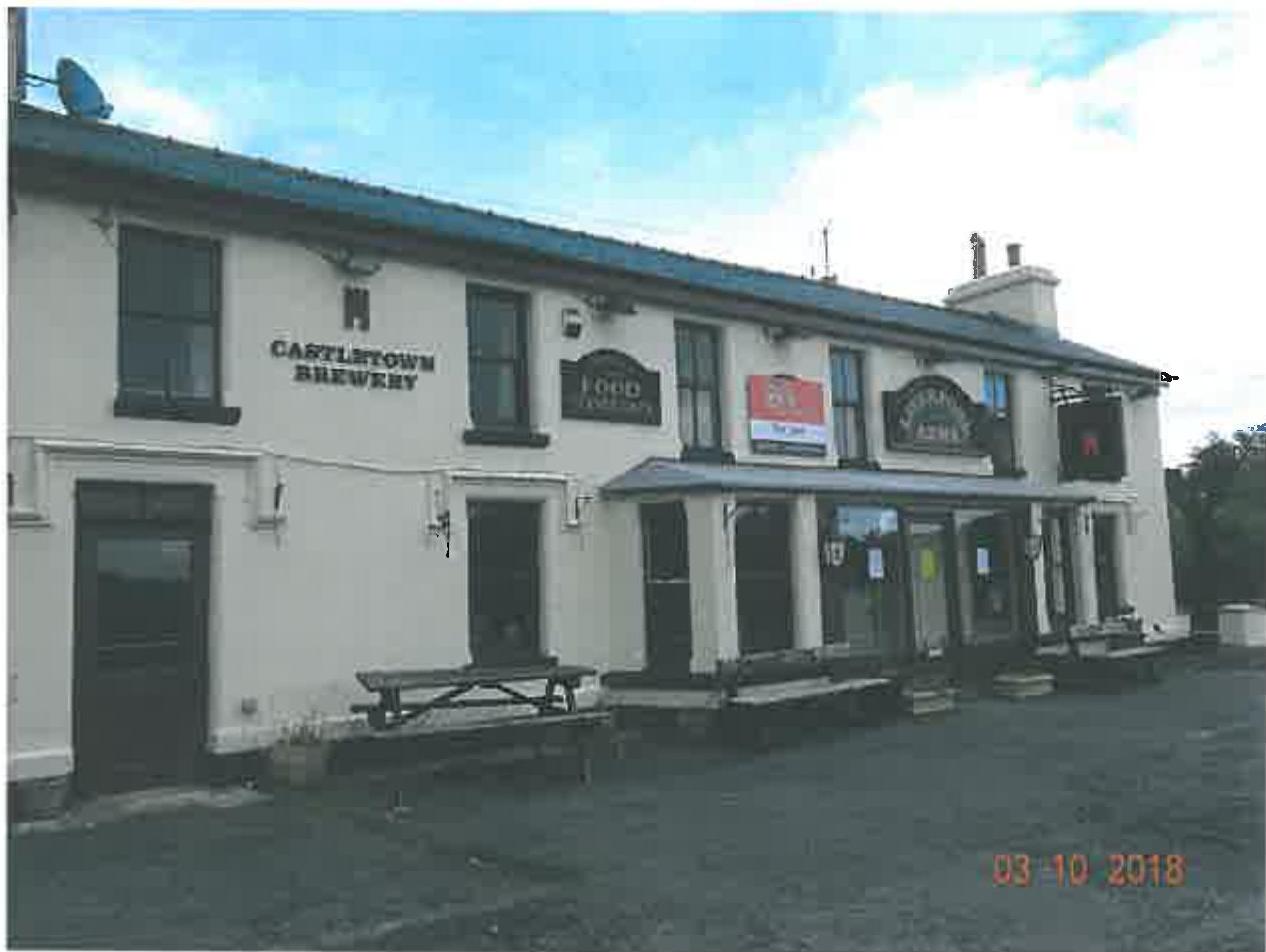
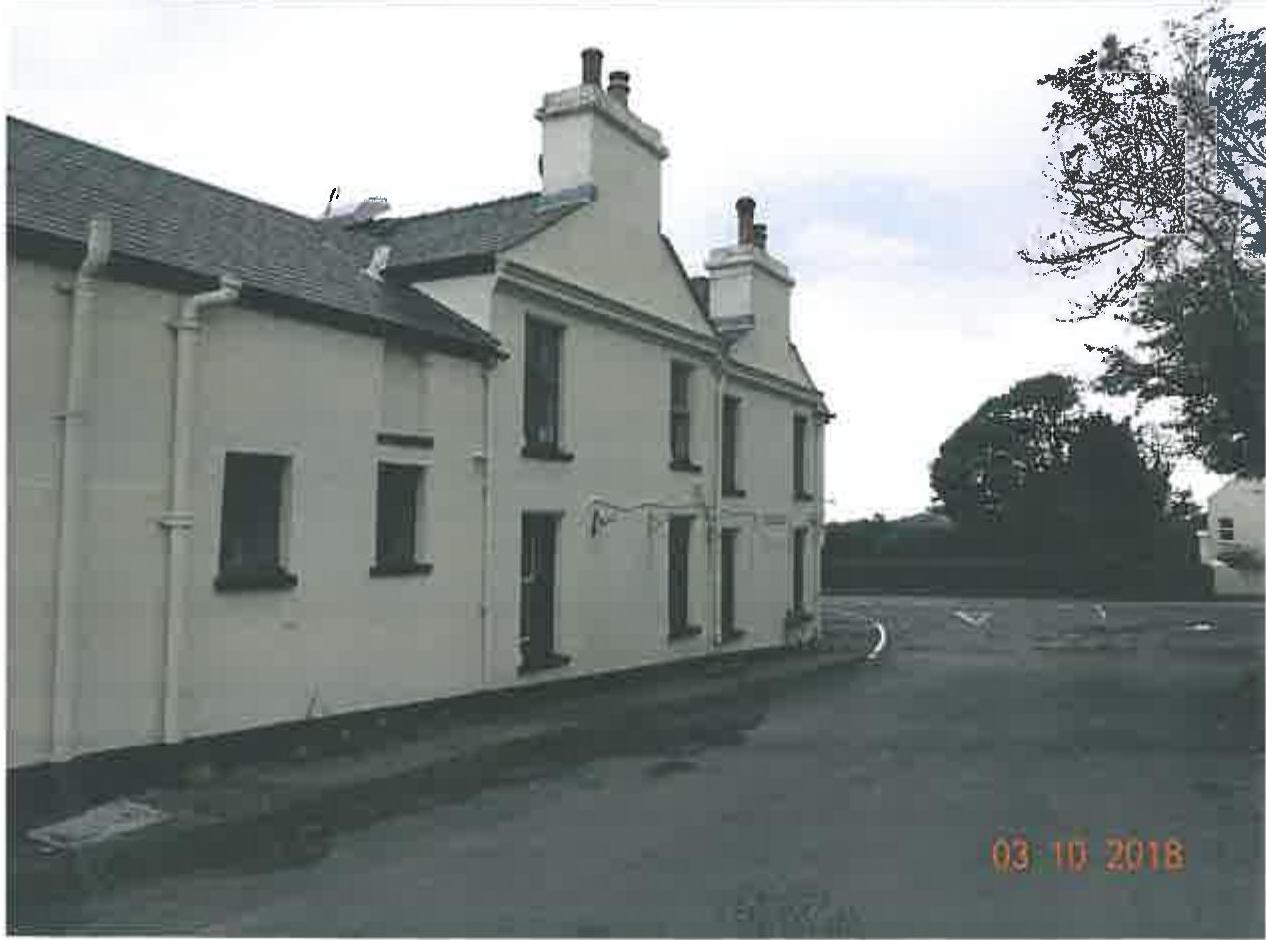
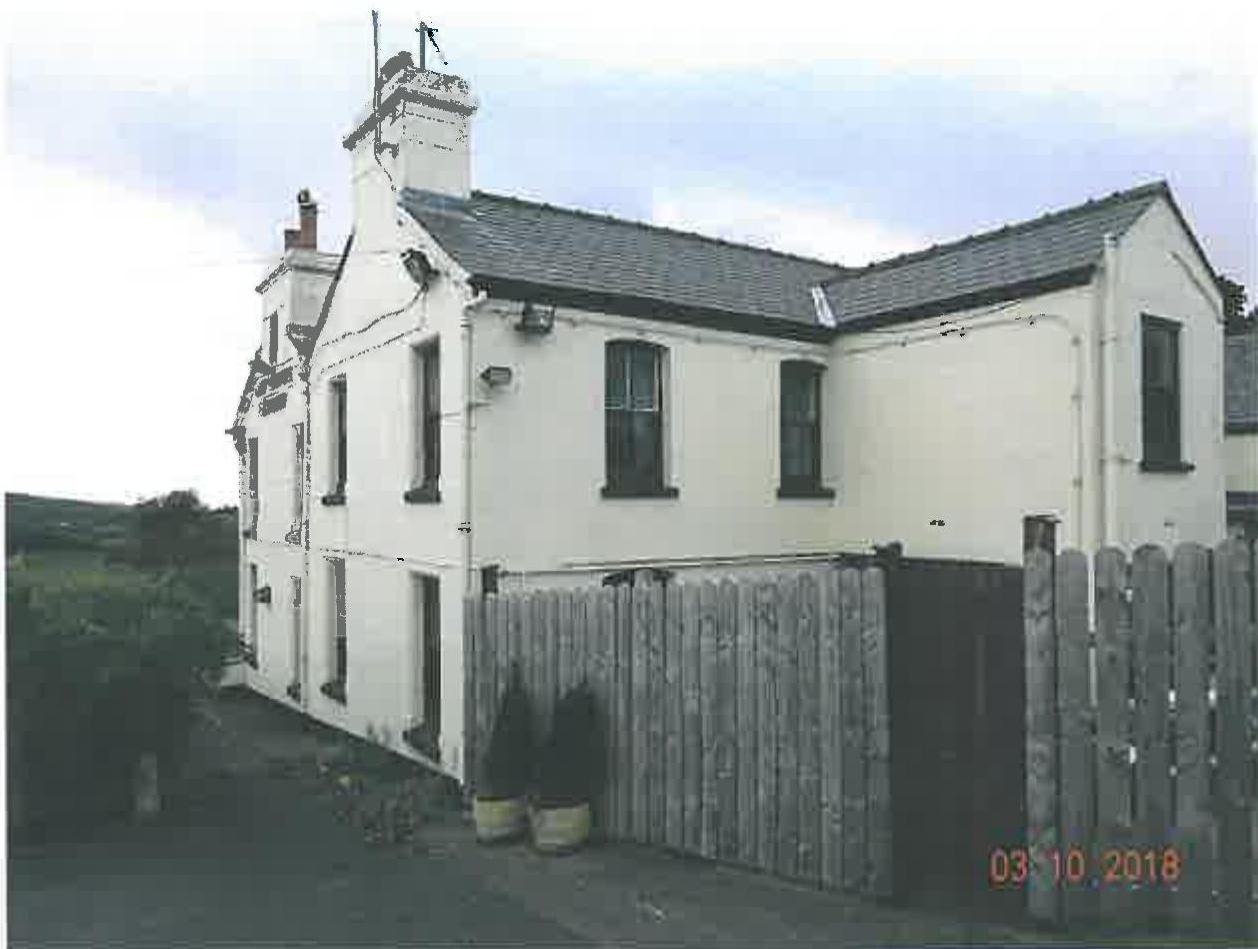
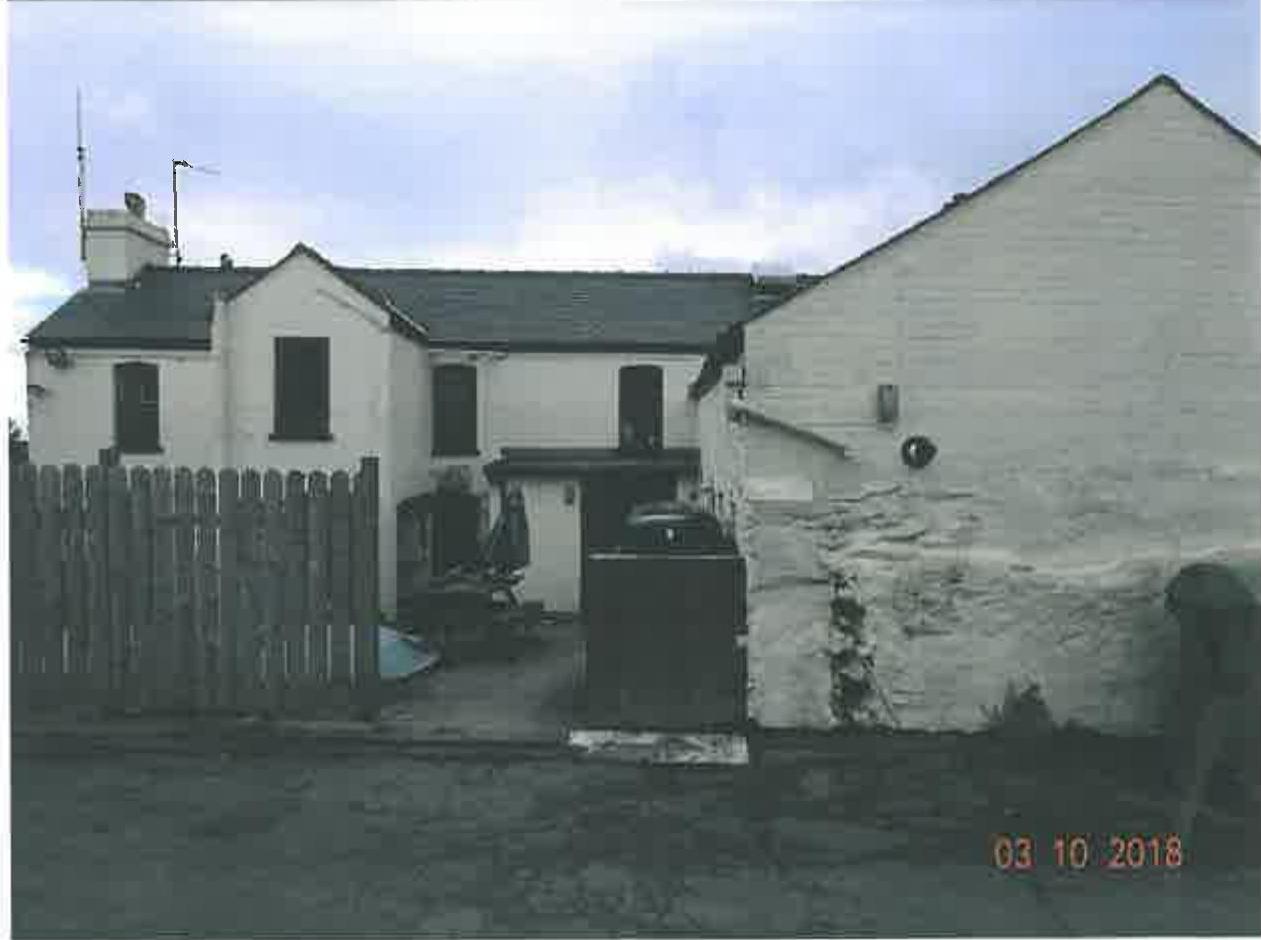
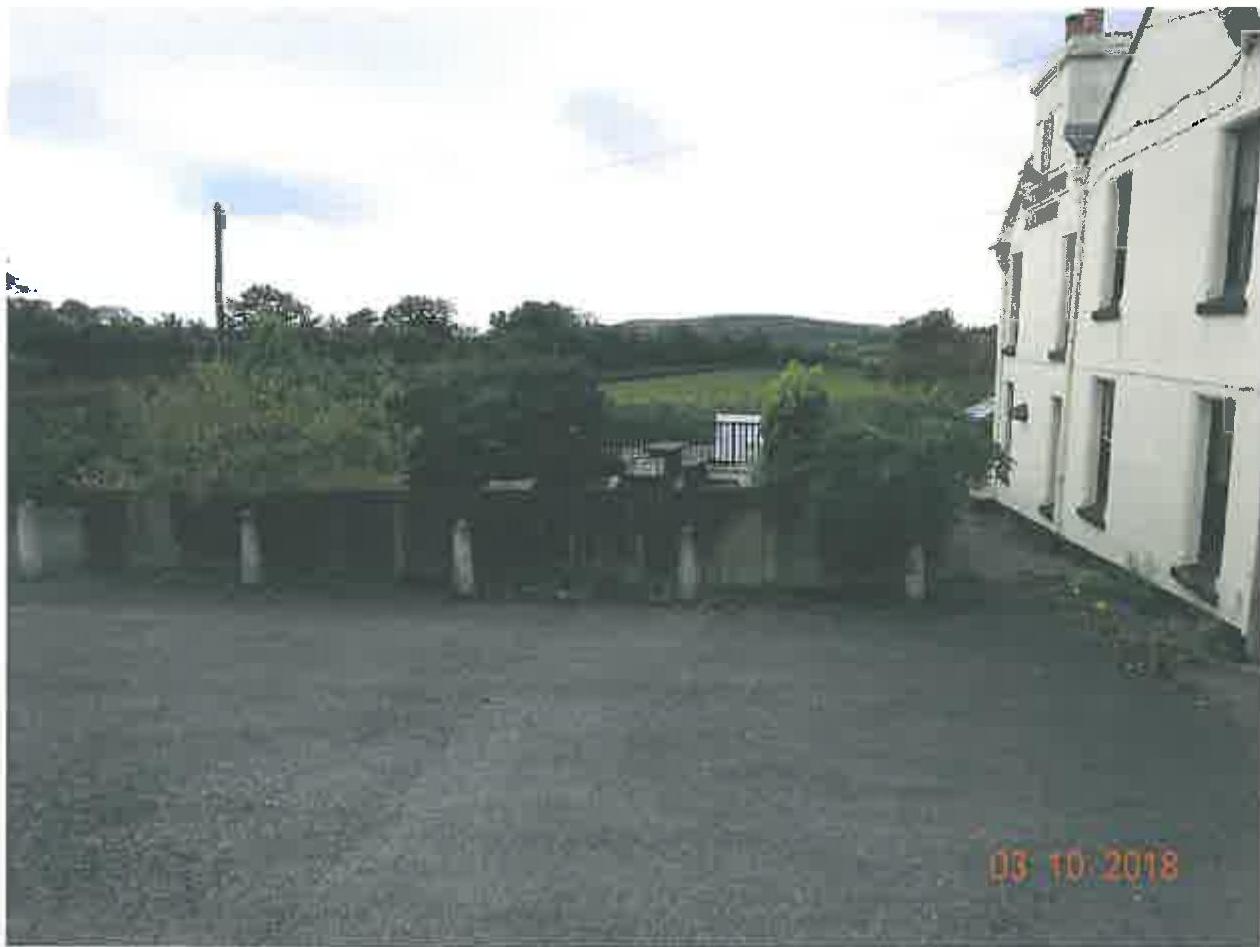
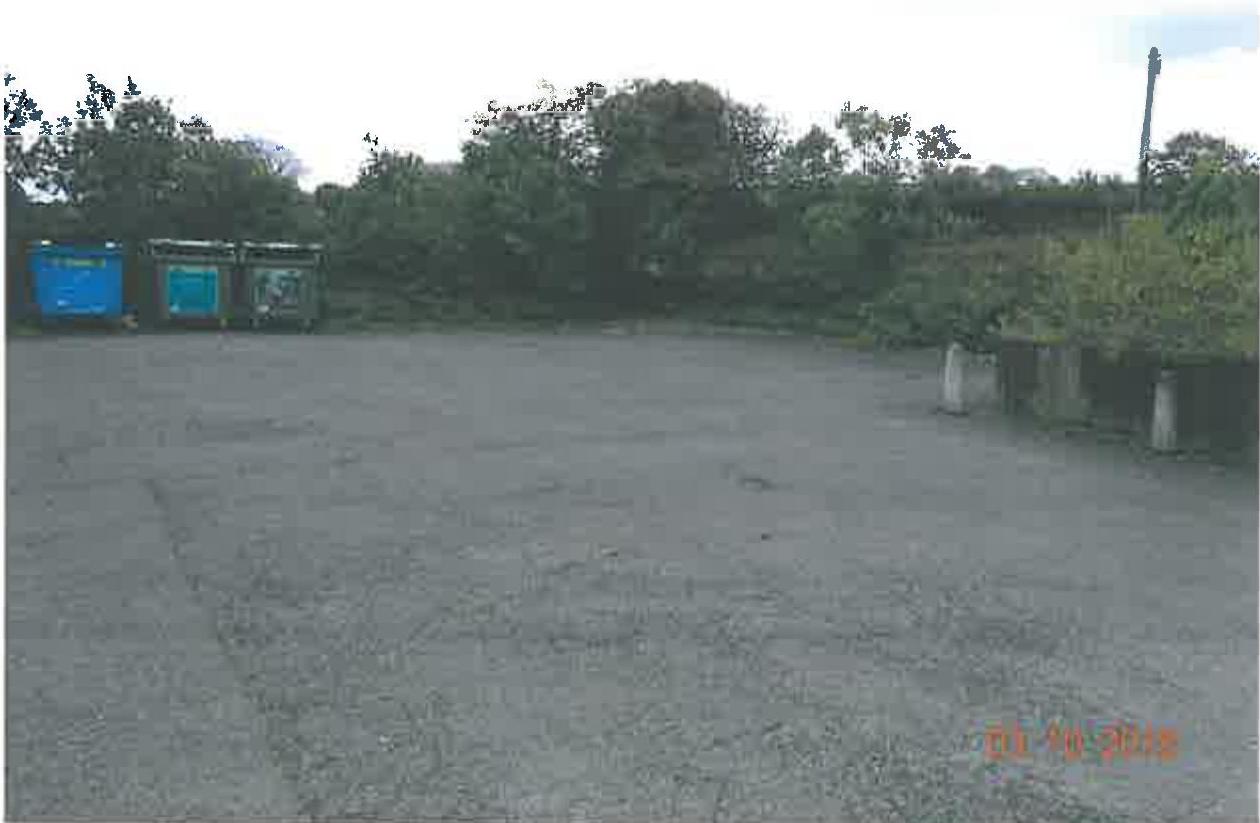
The case officer's site photographs.
Yours sincerely,
Mr Owen Gore Planning Officer
Department of Environment, Food and Agriculture, Planning & Building Control, Murray House, Mount Havelock, Douglas, Isle of Man, IM1 2SF. Email [email protected]. Tel 01624 685950
Part 1 - Officers Report
STATEMENT OF THE <br> Department of Environment Food and Agriculture Planning \& Building Control Directorate
Planning statement on behalf of the Department relative to:
Change of use from Public House to residential property Liverpool Arms<br>Main Road<br>Baldrine<br>Isle Of Man<br>IM4 6AE PA Reference 18/00870/C Prepared on behalf of the Planning Authority by Planning Officer Mr Owen Gore
The Site
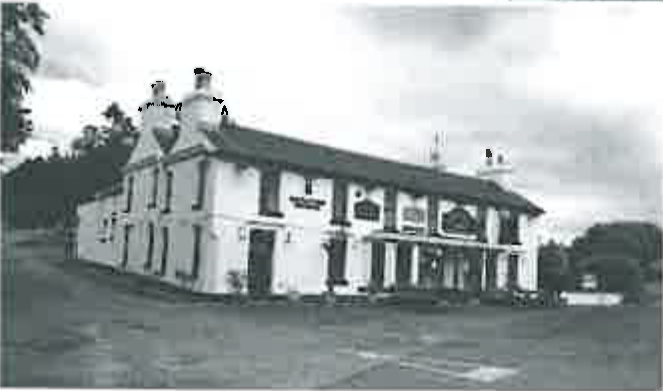
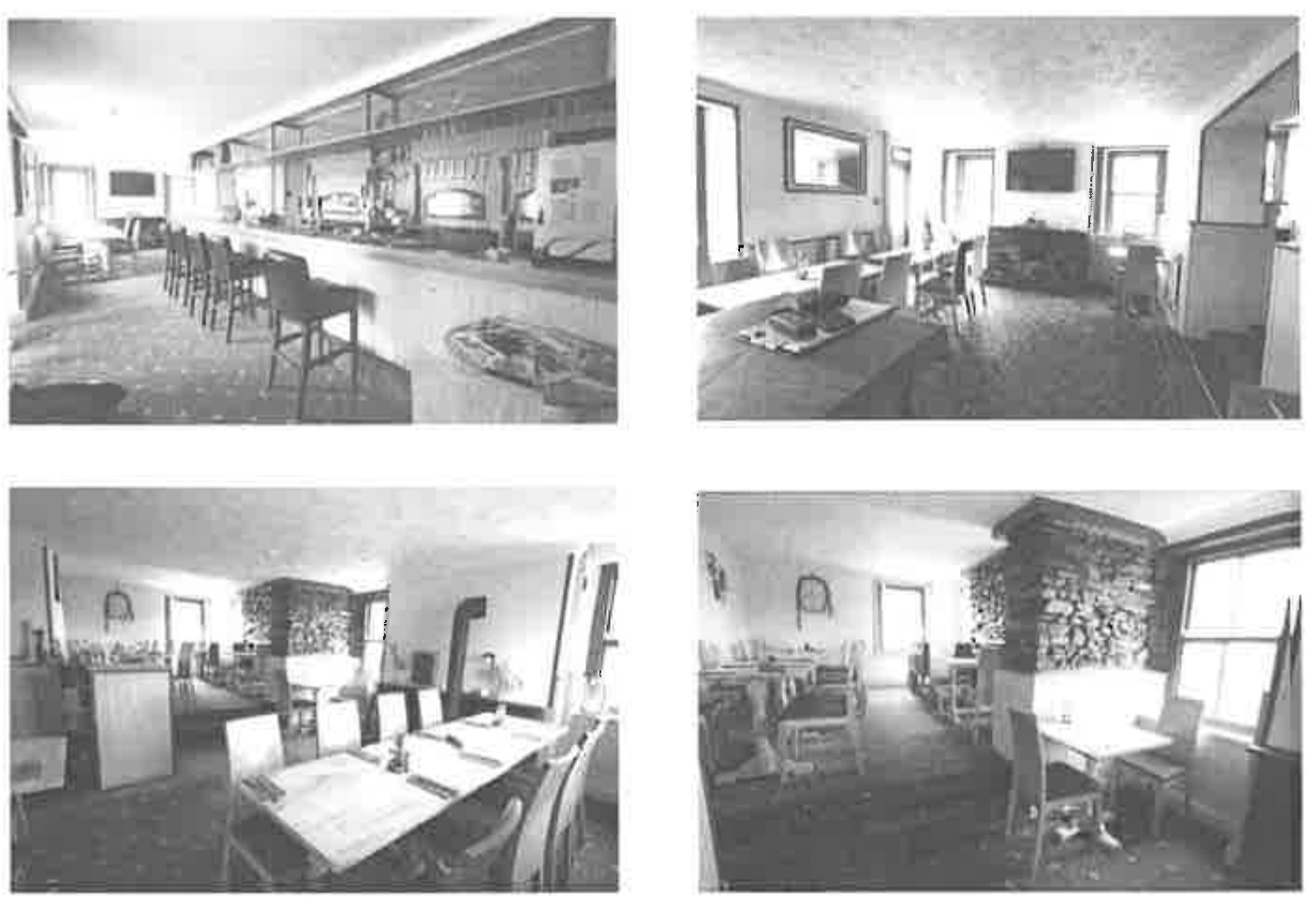
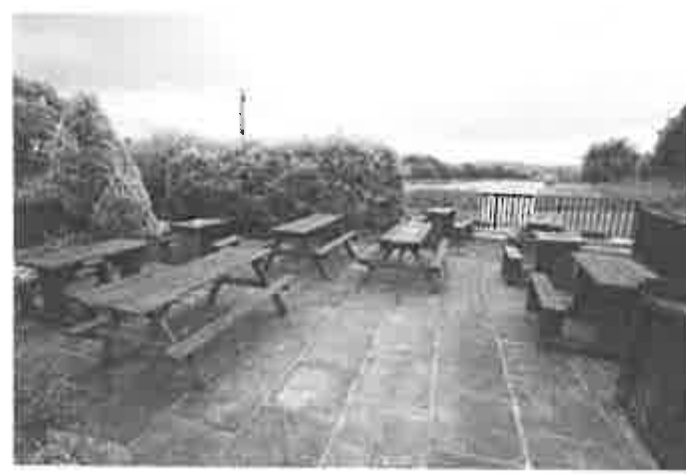
1.1 The application site is the Liverpool Arms public house on Main Road, on the north side of the bend in the highway, just before entering Baldrine when travelling from Onchan. The application building is a cottage style country inn within an attractive rural setting. The country property has been trading as a public house dating back to the 19th Century. 1.2 The ground floor of the building comprises of a large main bar with open fireplace, snug area, dining room and separate ladies' and gents' WCs. The first floor is understood to comprise several rooms as well as the kitchen and fridge room/prep area. There is also understood to be a separate manager's apartment, with living room, bedroom and bathroom. 1.3 Outside in the immediate site there is a boiler house/store, store room/electric room and enclosed rear yard that contains the septic tank and the wider site is made up of a large car parking area and a paved seating area/pub garden.
The Proposal
2.1 The proposal is for the change of use and conversion of the building and wider site from a public house into a single residential dwelling.
Planning Policy
3.1 The Liverpool Arms is shown on the Laxey and Lonan Local Plan 2005 Lonan Map as being within the local plan area and the property is designated as 'Civic, Cultural or Other Special Use - Public House'. Several wider strategic policies, as well as more specific housing and community policies from the Isle of Man Strategic Plan 2016 are considered to be applicable to this proposal. 3.2 Strategic Policy 1 specifies the best use of resources, including 'optimising the use of previously developed land, redundant buildings, unused and under-used land and buildings'; 'ensuring efficient use of sites'; and 'being located so as to utilise existing and planned infrastructure, facilities and services'. Strategic Policy 11 includes the housing needs of the Island generally, to be built over the Plan period and includes those created by conversion. 3.3 Linking to part (c) of Strategic Policy 1, Strategic Policy 10 requires new development to be located and designed such as to promote a more integrated transport network. 3.4 Strategic Policy 2 states that new development will be located primarily within our existing towns and villages, which is linked to Spatial Policy 4 and Spatial Policy 5. Spatial policies 1 through 4 set out the settlement hierarchy identifying the Douglas urban area as the main employment and services centre for the Island; below this it identifies the main towns for the island, then the 'Service Villages' and then the remaining villages, of which Baldrine is one. Spatial Policy 4 states 'In the remaining villages development should maintain the existing settlement character and should be of an appropriate scale to meet local needs for housing and limited employment opportunities'. 3.5 Spatial Policy 5 states that 'New development will be located within the defined settlements. Development will only be permitted in the countryside in accordance with General Policy 3'. The Laxey and Lonan Local Plan 2005 define the development boundaries of Baldrine and the application site is outside of this area by a significant margin. 3.6 As the proposal is outside of the defined settlement General Policy 3 is considered to apply, as per Spatial Policy 5. The policy only permits development in such instances when they fall within the exceptions listed. These include: - '(b) conversion of redundant rural buildings which are of architectural, historic, or social value and interest; (Housing Policy 11)'; and
'(c) previously developed land(1) which contains a significant amount of building; where the continued use is redundant; where redevelopment would reduce the impact of the current situation on the landscape or the wider environment; and where the development proposed would result in improvements to the landscape or wider environment'.
3.7 Housing Policy 4 reaffirms the need for development (specifically housing) to be located primarily within our existing towns and villages, or, where appropriate, in sustainable urban extensions. Otherwise they will have to fall within the list of exceptional circumstances, which includes '(b) conversion of redundant rural buildings in accordance with Housing Policy 11'. Housing Policy 11 allows for the conversion of existing rural buildings into dwellings, where they meet the relevant criteria listed: -
'(a) redundancy for the original use can be established; (b) the building is substantially intact and structurally capable of renovation; (c) the building is of architectural, historic, or social interest; (d) the building is large enough to form a satisfactory dwelling, either as it stands or with modest, subordinate extension which does not affect adversely the character or interest of the building; (e) residential use would not be incompatible with adjoining established uses or, where appropriate, land-use zonings on the area plan; and (f) the building is or can be provided with satisfactory services without unreasonable public expenditure.
Such conversion must: (a) where practicable and desirable, re-establish the original appearance of the building; and (b) use the same materials as those in the existing building.
Permission will not be given for the rebuilding of ruins or the erection of replacement buildings of similar, or even identical, form. Further extension of converted rural buildings will not usually be permitted, since this would lead to loss or reduction of the original interest and character'.
3.8 Paragraph 10.8 'Retention of Existing Local Shops and Public Houses' states that: -
'The loss of facilities such as neighbourhood shops in towns and or village shops and public houses reduces customer choice and can also necessitate people travelling further to meet their needs. This is a particular problem in rural areas where village shops, post offices and public houses can be central to village life. It would be preferable to retain viable facilities, or those that can be made viable and where a change of use or re-development is proposed developers will be expected to show evidence of attempts to market the property as a business in these areas'.
3.9 This then links to Community Policy 4, which states 'Development (including the change of use of existing premises) which involves the loss of local shops and local public houses, will only be permitted if it can be demonstrated that the use is no longer commercially viable, or cannot be made commercially viable'.
PLANNING HISTORY
4.1 Any previous planning applications on the site are considered not to be specifically material in the assessment of the current application.
4.2 However the appeal AP18/0022 for the refusal of a planning application (ref: - 17/01189/B) for the demolition of Waterfall Hotel and erection of four terraced dwellings on site with associated parking and amenity space at Waterfall Hotel, Shore Road, Glen Maye, Isle of Man, IM5 3BG is considered to be applicable in this instance.
REPRESENTATIONS
11 March 2019
Page 3 of 8
Copies of representations received can be viewed on the Government's website. This report contains summaries only.
5.1 Representation from the Department of Infrastructure (DOI) Highways Division confirms that they have reviewed the proposal do not object, in the letter dated 24 September 2018. The comments continue:
The upper floor of the existing building has a 2 bedroom flat above the public house. The parking standards in 'The Isle of Man Strategic Plan 2016' require 2 car parking spaces for a 2+ bedroom dwelling and therefore the existing flat and the proposed dwelling would have the same parking demand. The total site traffic and parking demand would be reduced from the proposed removal of the public house use. The development would not change the existing site access and parking arrangements with the vehicular access to the rear site car park off Barroose Road retained as at present. Highway Services does not oppose the application.
5.2 Garff Commissioners have commented on this application and objected in the letter dated 13 September 2018. The comments continue:
The Commissioners were very concerned with this application as its consequence was the loss of an important amenity that until very recently has played an important role in the community of Lonan.
The Commissioners believe that all efforts should be made by the applicant to explore the retention of its current use. It was also noted that the applicant intends to apply a covenant on any sale that prevents any future owner from operating the building as a public house.
In respect of these matters, it is clear that the applicant may not be aware of Section 10.8 of the Isle of Man Strategic Plan which insists that change of use will only be permitted if the developer can show 'evidence of attempts to market the property as a business in these areas'; this dictate results in Community Policy 4.
In this respect it was noted that this change of use application was premature and should at this juncture be rejected by the Planning Officer and the Planning Committee.
The Board unanimously objected to this application.
5.3 There have been 3 objections received from neighbouring properties
39 Baldrine Park, Baldrine, IM4 6DB Hazel Cottage, Ballabeg, Laxey, IM4 7HB Green Hills, Pinfold Hill, Laxey, IM4 7HJ.
The key planning points raised include:
There is scope for a well-run pub/restaurant to succeed, which would be more beneficial to the community than housing;
The only pub in the area and the only one within walking distance of Baldrine; an iconic landmark, frequently used by bikers;
Converting the property into residential would be to the detriment of the area as well as the wider island;
Liverpool Arms is an important part of the local community; it was for many years popular and well used facility;
If it is financially unviable, why is it being sold with a restrictive covenant/caveat;
ASSESSMENT
11 March 2019
Page 4 of 8
6.1 The key issues are the loss of the public house, which is a community use and the conversion of a building in the countryside into a dwelling.
Principle of the Development
6.2 The proposal is zoned as 'Civic, Cultural or Other Special Use', noted specifically as a public house; it is also not located within a defined settlement. Therefore Spatial Policy 5 and Housing Policy 4 indicate that General Policy 3 applies in this instance. The proposal as described in the application is to convert, as opposed to redevelop, the building, which although it is zoned, is in the countryside and could be described as a 'rural building'; therefore part (b) of General policy 3 is considered to apply, which allows for the conversion of 'redundant rural buildings which are of architectural, historic, or social value and interest' in accordance also with Housing Policy 11.
6.3 The first 'test' therefore is to establish if the existing use of the rural building is redundant. As this site/building is zoned as a public house, Community Policy 4 also ties in with the existing use, requiring that it be demonstrated that the use is no longer commercially viable, or cannot be made commercially viable. The Strategic Plan presumes against the loss of public houses unless this is adequately demonstrated; paragraph 10.8 indicates 'proposed developers will be expected to show evidence of attempts to market the property as a business in these areas'.
Loss of the Public House
6.4 As part of the current submission the applicant has provided a statement that provides some explanation as to why the premises closed and also the owner's management of the wider business and other premises; however the only statement they have made with regard to the limitations of the business consists of a single sentence and refers to the 'limited' summer trading due to location, the difficulty of recruiting staff and 'unsustainability' in the winter months. The final part of the sentence states that 'operating this site is no longer a viable option for us'.
6.5 The appeal AP18/0022 was against the refusal of a planning application (ref: - 17/01189/B) for the demolition of Waterfall Hotel and erection of four terraced dwellings on site with associated parking and amenity space at Waterfall Hotel, Shore Road, Glen Maye, Isle of Man, IM5 3BG. This appeal was dismissed by the Minister in line with the decision of the Planning Committee.
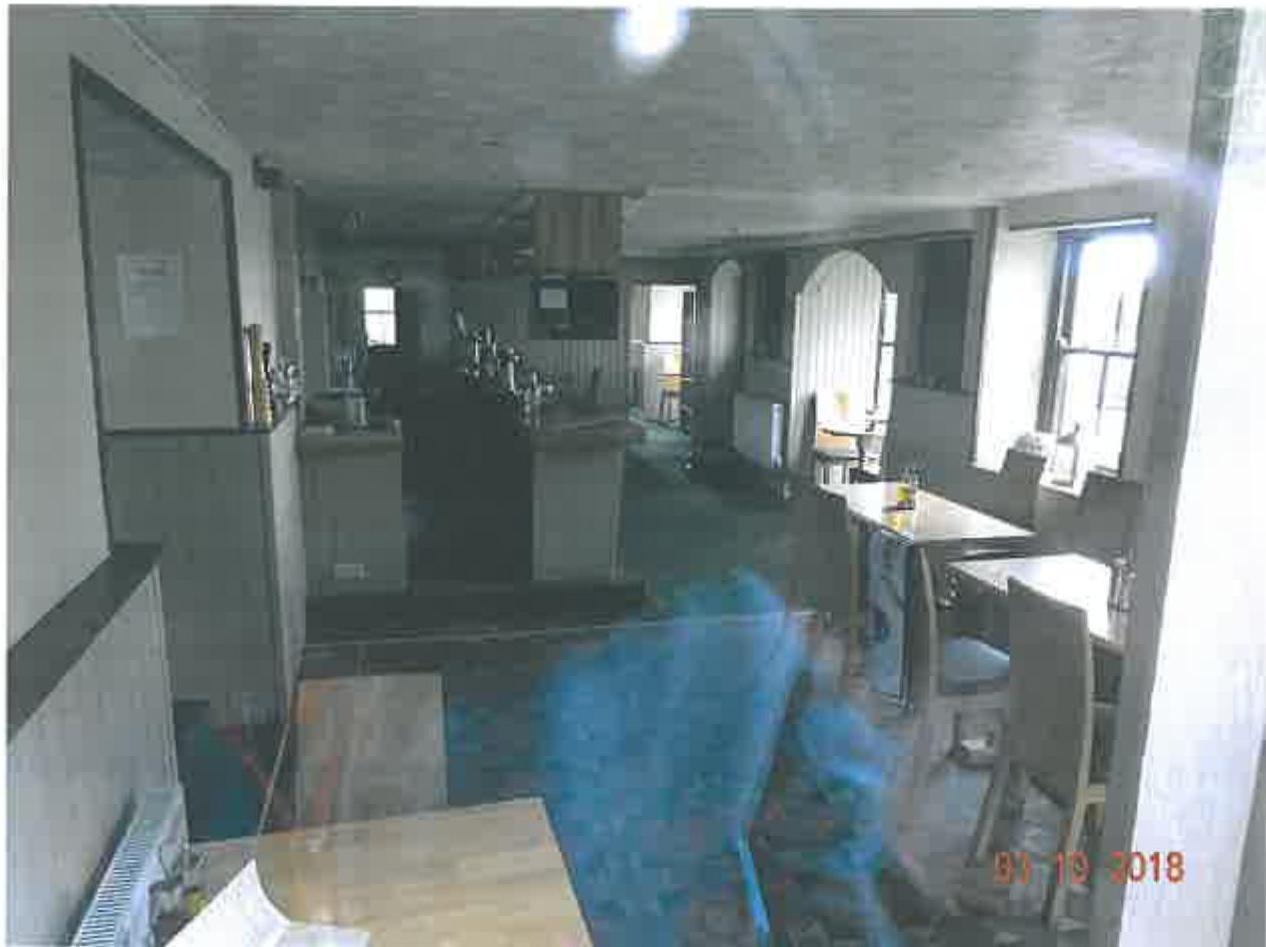
6.6 There are some key differences in the appeal site and the current application's site, in that the Inspector noted that the Waterfall Hotel 'whether by normal wear and tear or neglect, is now in a state of dilapidation, requiring substantial investment in renovation before it could be reopened'; and that the Waterfall Hotel 'is not on a well-used thoroughfare generating passing trade'. Neither of these is considered to be the case for the current application site. At the time of visiting there were no significant signs of dilapidation and indeed the building looked as though the door had closed at the end of trading and hadn't reopened; the 'front of house' areas were still set up for service with cutlery and condiments on the tables. Also the Liverpool Arms is located on one of the main arterial routes between Douglas and Ramsey, the first and second of the main service centres for the island as per Spatial Policy 1 and 2 of the Strategic Plan.
6.7 In this appeal the Inspector noted that 'It is clear that the Waterfall Hotel is held in fond regard by the local community, as strongly expressed by the Parish Commissioners and individual residents. It clearly has long historic associations and, until relatively recently, has served as an important tourist facility'. It was noted that 'some rural businesses appear viable, for example, the Shore Hotel on Bay ny Carrickey, the Hawthorn in German and The Forge in Braddan, formerly the Hop Garden, some following renovation and relaunches'.
11 March 2019
Page 5 of 8
6.8 In this case the appellants/applicants provided financial accounts for several years of operation and anecdotal evidence in an attempt to show that the property is not and would remain commercially unviable. The Inspector acknowledged that the appellant/applicant 'genuinely sought a suitable tenant to carry on the current hotel and public house use of the existing building on the appeal site'.
6.9 However the Inspector goes on to state that 'It is of concern that the evidence of non-viability put forward by the Appellants, whilst genuinely based on experience and certified accounts, is nonetheless limited to largely anecdotal assertion drawn from enquiries within the known business community of the Isle of Man. Importantly, no professional marketing evidence has been put forward to show that the appeal property has been advertised and promoted in a manner consistent with its apparent potential to attract international tourist interest'.
6.10 The scope of the information for this appeal was much greater than what was submitted in the current application; no accounts or more importantly in the Inspectors assessment of the above, no marketing information has been provided to demonstrate that a genuine attempt has been made to find alternative owners to take on the premises with a similar business. The 'test' for viability therefore is much greater than stating that they consider the business no longer viable for the applicant/owner and it requires appropriate marketing and promotion, potentially outside of the island, to sell the business as it is.
6.11 During the decision period the property has been advertised for sale; the sales information has been freely available on the estate agent's website and was highlighted by objectors. In the estate agent's letter it states that 'The property will be sold with a covenant preventing the use of the property in the future as licensed premises'.
6.12 There is no specific guidance or discussion regarding restrictive covenants on the Island; however, in line with paragraph 1.6.1 of the Strategic Plan, it is noted that in 2011, in the UK prior to the introduction of the Localism Act, a consultation document titled 'The use of restrictive covenants in the pub industry and their impact on local communities' was published to provide an evidence base for potential action to be taken. In this document it explains that:
'In a commercial setting, restrictive covenants have also been used as a method for land and property owners to protect their business where the owner retains other land or property in the area. In such cases an owner may sell a property with a restrictive covenant that prevents new owners from engaging in activities that might interfere with the original owner's business interests'.
6.13 The document provides examples of the reasons for the use of restrictive covenants, which include where the owner has other pubs in the area and believes that reducing the number of pubs will increase the viability of those pubs that remain; where the owner wants to reduce opportunities for external competition gaining access to a particular market; or where there is a desire to change the use of a pub, for example to residential or other commercial use.
6.14 The information submitted to support the current application seems to provide three pieces of information, that the pub closed due to the then tenant leaving unexpectedly, presumably breaking contractual obligations and not specifically because the business in unviable; that the current owner has invested in other premises on the island and does not wish to do so for the application site; and that there are some constraints to the business, which the owners have stated makes it no longer viable specifically for them.
6.15 In the absence of any evidence i.e. financial or marketing information as requested during the pre-application discussions, it is reasonable therefore to draw the conclusion that the
11 March 2019
Page 6 of 8
applicant doesn't dispute that it could be made viable and indeed it seems by the use of the restrictive covenant that they believe that it is or could become viable and are taking steps to ensure that it will not operate as a viable public house in the future, and therefore reducing the opportunity for external competition gaining access to a particular market.
6.16 In terms of the reasons for using the restrictive covenant, the applicant has stated in their submission that in light of investment at other premises on the island, the Liverpool Arms 'does not feature in our plans for the managed estate'. The applicant has not acknowledged the restrictive covenants in the submission, but this is considered broadly in line with the argument above that reducing the number of pubs will increase the viability of those pubs that remain; however as acknowledged in the consultation document, 'the effect can and should be achieved through market forces or democratically-led through local [planning] authorities' plans rather than be instigated by vested interests'.
6.17 Restrictive covenants have the power to 'run with the land' meaning that it, and the restrictions it imposes, will still be in effect for subsequent buyers of the property or land. Given this, such a restrictive covenant can risk not only closing an important community asset, but also removing the potential of it returning to that use in the future. Therefore the loss of the public house as an asset to the community can only be considered in perpetuity.
6.18 In the abovementioned appeal the Inspector has identified through objections from local people and the Commissioners that there was a question regarding why the premises could not be put to one or more different uses, such as a shop or a cafe. It notes that in Dalby, the local church has been rejuvenated to include a range of additional community uses and has recently been the subject of a planning application for use as a hostel. In the marketing information taken from the estate agents website it states that 'the property may have potential for other uses, subject to beneficial planning approval'; however this has not been applied for and the applicant has not sought permission for such a change previously, but instead has gone directly for a dwelling.
6.19 The evidence that has been submitted or is otherwise available is insufficient to justify the loss of the public house. The applicant has not provided any evidence of attempts to market the property as a business in its current form (ie with a licence and without the covenant preventing its use as a public house) and it has not been adequately demonstrated that the use is no longer commercially viable, or cannot be made commercially viable. The proposed change of use of the application site and conversion of building to entirely residential would therefore be contrary to Community Policy 4 of the Strategic Plan.
6.20 It is relevant to acknowledge that the Area Plan for the East includes proposed potential development sites around Baldrine, including 7 sites for housing and 1 site for mixed use, which would be predominantly housing; the collective land that is allocated is 19.16ha. The Area Plan for the East is currently in its Preliminary Publicity stage following consultation and has yet to go through a public enquiry and finally adoption; therefore at the moment it carries little overall weight in the decision making process.
Creating a new dwelling in the countryside
6.21 The second aspect is the conversion of the building into a dwelling. Housing Policy 11 allows for the conversion of existing rural buildings into dwellings provided that they meet the requirements of the policy. The building is considered to be substantially intact and structurally capable of renovation; it is of architectural, historic, or social interest; it would be large enough to form a satisfactory dwelling; the proposed residential use would not be incompatible with adjoining established uses; and services can be provided without unreasonable public expenditure.
6.22 However as indicated in the above section of the report, it is not accepted that the redundancy of the original use has been adequately established. Indeed, it is considered that
11 March 2019
Page 7 of 8
the use is important to the local community and that it is or could at least be made viable in its current use. The proposed conversion of building to entirely residential and change of use of the application site would therefore be contrary to Housing Policy 11 of the Strategic Plan.
CONCLUSION
7.1 The evidence available is insufficient to justify the loss of the public house and that the proposed conversion of building to entirely residential and change of use of the application site would therefore be contrary to General Policy 3, Community Policy 4 and Housing Policy 11 of the Strategic Plan.
INTERESTED PERSON STATUS
8.1 By virtue of the Town and Country Planning (Development Procedure) (No 2) Order 2013 Article 6(4), the following persons are automatically interested persons:
(a) The applicant, or if there is one, the applicant's agent;
(b) The owner and the occupier of any land that is the subject of the application or any other person in whose interest the land becomes vested;
(c) Any Government Department that has made written submissions relating to planning considerations with respect to the application that the Department considers material
(d) Highway Services Division of Department of Infrastructure and
(e) The local authority in whose district the land the subject of the application is situated.
8.2 The decision maker must determine:
whether any other comments from Government Departments (other than the Department of Infrastructure Highway Services Division) are material; and
whether there are other persons to those listed in Article 6(4) who should be given Interested Person Status.
The reasons and notes (if any) related to the Department's original refusal
R 1.
The evidence that has been submitted or was otherwise available is insufficient to justify the loss of the public house. The applicant has not provided any evidence of attempts to market the property as a business in its current form and it has not been adequately demonstrated that the use is no longer, or cannot be made, commercially viable. The proposed change of use of the application site and conversion of building to entirely residential would therefore be contrary to General Policy 3, Community Policy 4 and Housing Policy 11 of the Strategic Plan 2016.
11 March 2019
Page 8 of 8
Part 2 - Decision Notice
Mr Andrew Bentley RIBA 8 Ravens Wharf South Quay Douglas IM1 5BT
Town And Country Planning Act 1999
The Town and Country Planning (Development Procedure)(No 2) Order 2013
In pursuance of powers granted under the above Act and Order the Department of Environment, Food and Agriculture determined to REFUSE an application by Heron And Brearley Ltd, Ref 18/00870/C, for the Change of use from Public House to residential property at Liverpool Arms Main Road Baldrine Isle Of Man 1M4 6AE for the following reason(s):
The evidence that has been submitted or was otherwise available is insufficient to justify the loss of the public house. The applicant has not provided any evidence of attempts to market the property as a business in its current form and it has not been adequately demonstrated that the use is no longer, or cannot be made, commercially viable. The proposed change of use of the application site and conversion of building to entirely residential would therefore be contrary to General Policy 3, Community Policy 4 and Housing Policy 11 of the Strategic Plan 2016.
Date of Issue: 24th January 2019
Director of Planning and Building Control
Guidance Note
This decision was made by a Principal Planner in accordance with the authority delegated to them.
This decision refers only to that applied for under the The Town and Country Planning (Development Procedure)(No 2) Order 2013.
Whilst a copy of the Officer's report is included alongside this notice, any wider correspondence which led to the assessment and decision is now available to view on the Government's website (via Online Services) or at the Department's offices Murray House, Mount Havelock, Douglas. https://www.gov.im/planningapplication/services/planning/search.iom Any appeal against this decision must be in accordance with the criteria set down in that instrument.
Specifically, a valid appeal must be in writing, signed by the appellant, and submitted to the Department within 21 days of the date of this Notice. To further validate the appeal it must contain:
Payment of a planning appeal fee as prescribed in the Town and Country Planning (Application and Appeal Fees) (No2) Order 2016 (currently £175);
The reasons for making the appeal; and
An election to have the appeal conducted by means of an inquiry (a hearing) or by means of written representation.
An appeal form and guidance notes are available from either Planning \& Building Control, Tel 685950, or to download from the Department's website https://www.gov.im/catenorias/planning-and-building-control/planning-applications/planning-appeals/how-to-appeal/
If no appeal is lodged within 21 days of the date of issue overleaf, and this decision becomes final, the Department's public reference copy (counter copy) of the planning application may be collected by the applicant or their agent from Murray House.
Please note that if the counter copy of the application is not collected within THIRTY DAYS following the last date on which a planning appeal can be made it will be destroyed without further notice.
Part 3 - Suggested Conditions
1) The development hereby approved shall be begun before the expiration of four years from the date of this decision notice.
Reason: To comply with Article 14 of the Town and Country Planning (Development Procedure) (No.2) Order 2013, and to avoid the accumulation of unimplemented planning approvals.
Part 4 - Decision Letter and Inspector's Report Ref: - 17/01189/B
PA No: 17/01189/B Address: Waterfall Hotel, Shore Road, Glen Maye, Isle of Man, IM5 3BG Proposal: Demolition of existing hotel and erection of four terraced dwellings with associated parking and amenity space Appellant(s): Jim Limited I refer to the appeal in respect of the above planning application.
In accordance with the provisions of The Town and Country Planning (Development Procedure)(No 2) Order 2013, I herewith give notice of the appeal decision.
I am directed to advise you that the Minister for Environment, Food and Agriculture, in pursuance of section 3(2) of the Government Departments Act 1987, has delegated responsibility for the determination of this appeal to Mr M Perkins MHK. Accordingly, Mr M Perkins MHK, has considered the report, concurs with the appointed person's conclusions, and accepts the recommendation that the appeal should be dismissed. Accordingly, he has directed that the Department's refusal of the application under Article 6 of the Town and Country Planning (Development Procedure) (No 2) Order 2013 should be upheld, and that the application should be Refused. Formal notice of this decision is attached.
Yours faithfully
Mr R C Lele Chief Executive
Circulation list for 17/01189/B
Jim Limited, 2nd Floor, 67 Strand Street, Douglas, IM1 2EN
Highway Services, Department of Infrastructure, Sea Terminal Building, Douglas
Patrick Commissioners, The Clerk To The Commissioners, Hall Caine Pavilion, Old Church Road, Crosby, IM4 2HA
Senior Biodiversity Officer (Zoologist), Forestry, Amenity & Lands Division, Department of Environment, Food & Agriculture, Thie Sileau Whallian, Foxdale Road, St John's, IM4 3AS
Isle of Man Newspapers, Newsroom, Publishing House, Peel Road, Douglas, Isle of Man
Ms Susan Heckles, The Coach House, Glen Maye, Isle of Man, IM5 3AZ
Department of Environment, Food & Agriculture Thie Sileau Whallian, Foxdale Road, St John's, Isle of Man, IM4 3AS
Ms F Karran-Smith, Holm Lea Bungalow, Main Road, Glen Maye, Isle of Man, IM5 3BL Mr G. Smith, Holm Lea Bungalow, Main Road, Glen Maye, Isle of Man, IM5 3BL Mr A Vokins, Hillside, Glen Maye Hill, Glen Maye, Isle of Man, IM5 3BE Mr P Craker, 3 Glen Maye Park, Glen Maye, Isle of Man, IM5 3AX Miss Vicky Higgins, Waterfall House, Shore Road, Glen Maye, Isle of Man, IM5 3BG Mr John Motley, Claremount, Old Castletown Road, Port Soderick, Isle of Man, IM4 1BB Ian Sherman, 7 Glen Close, Glen Maye, IM5 3BF Ms A Weimar, 2 Glen Close, Glen Maye, Isle of Man, IM5 3BF
The Town And Country Planning Act 1999
The Town and Country Planning (Development Procedure) (No 2) Order 2013
In pursuance of his powers under the above Act and Order Mr M Perkins MHK does hereby in the name of and on behalf of the Department REFUSE planning application 17/01189/8 by Jim Limited for Demolition of existing hotel and erection of four terraced dwellings with associated parking and amenity space - Waterfall Hotel, Shore Road, Glen Maye, Isle of Man, IM5 3BG, for the following reason(s):-
It has not been demonstrated that the premises are not commercially viable or could not be made so. As such, the proposal is in conflict with Community Policy 4 of the Isle of Man Strategic Plan 2016.
Date of issue: 9th October 2018
By Order of the Minister
Mr R C Loie Chief Executive
Note 1: A copy of the report of the appointed person is appended hereto.
Note 2: All parties should note that there is no prescribed right of appeal relevant to the Minister's decision herein and accordingly the only right of challenge is by a Petition of Doleance brought to the High Court of Justice of the Isle of Man. Such Doleance proceedings required to be issued promptly and in any event within 3 months.
Department of Environment, Food & Agriculture The Sileau Whallan, Foxdale Road, St John's, Isle of Man, IM4 3AS
APPEAL: AP18/0022 PLANNING APPLICATION: 17/01189/B Report on an Inquiry into a Planning Appeal Inquiry: Wednesday 22 August 2018 Site inspection: Monday 20 August 2018
Appeal made by Jim Limited against the refusal of a planning application for the demolition of Waterfall Hotel and erection of four terraced dwellings on site with associated parking and amenity space at Waterfall Hotel, Shore Road, Glen Maye, Isle of Man, IM5 3BG.
Present:
Mr I Martin - Jim limited - Appellants Miss S Corlett - DEFA Planning Case Officer Mr G Gelling - Chair - Patrick Parish Commissioners Mr R Bankes-Jones - Patrick Parish Commissioners Miss V Higgins - also representing Mr I Sherman - neighbouring residents
Procedural Matters
The appeal statements and the officer report to the Planning Committee make detailed reference to the proposals and plans originally submitted with the application. However, that scheme was substantially revised before consideration by the Committee, which refused the application contrary to the recommendation of the case officer.
For the avoidance of doubt, this Report and accompanying recommendation to the Minister is based on an entirely fresh and independent appraisal of the scheme as amended and refused by the Planning Authority and with respect to every planning issue arising. That is irrespective that the Authority refused the application for the sole stated reason related to the viability of the present use of the appeal property as a hotel and public house.
The Site and its Surroundings
The site is the curtilage of the vacant Waterfall Hotel and restaurant which is located in the heart of Glen Maye, to the west of the main road (A27). It is situated to the north of a narrow road which passes a number of houses and Ballakerkey Farm before becoming a public footpath through the Glen to the beach at Glen Maye.
The site has a frontage to the minor road of 25m and immediately to the east is Glen Close, a cul de sac of seven modern bungalows, which skirt around and above the rear of the appeal site. Also included within land owned or controlled by the Appellants is the car park associated with the existing Hotel on the opposite side of the road, together with the beer garden.
The Hotel has the appearance of two traditional Manx cottages sitting alongside each other, similar to and on the same building line as the adjacent property to the west, Waterfall House. Further west are more dwellings, mostly recent but traditional in design. There is a modern bungalow situated within Ballakerkey Farm, being the last residential property on the road before the beach. The appeal property has two traditional chimneys, one in the centre of the ridge and the other on the eastern gable, and there are two modern rooflights in the front pitch of the roof. The building is split over two levels, with the eastern half slightly higher than the western part.
Both the Hotel and Waterfall House are set back from the road with small front gardens. A private access lane separates the two buildings at ground floor level. The appeal site extends around the rear of Waterfall House, which is linked to the gable of the Hotel building by a first floor structure. At the rear, the appeal site slopes upward to Glen Close. A store building behind the Hotel forms part of the retained boundary shared with Waterfall House and No 7 Glen Close.
Outside the appeal site boundary but alongside the car park is a small unit which has previously been used as a cafe and retail outlet. This building is permitted under Ref 12/00904/B for use as tourist accommodation.
The Proposed Development
It is proposed to demolish the Hotel and erect of a terrace of four dwellings in its place. Each dwelling would have a rear garden reaching as far as Glen Close. There would be no on-site parking or garages but eight car parking spaces would be reserved for use in connection with the proposed dwellings within the car park opposite.
It was confirmed at the Hearing that the store building on the side boundary would be retained for non-residential use ancillary to the westernmost dwelling.
The terrace would be of two storeys under a pitched roof, with further accommodation in the roof space, illuminated by roof lights. The design of the terrace would reflect the traditional elements of the existing properties nearby. The scheme would increase, to some extent, the height and overall bulk of the built development on the site.
As submitted, the proposal includes a waste bin store behind Waterfall House but it was also agreed at the Hearing that this could be re-sited inside a fenced compound within the car park.
Policy
The site is within an area designated by the Isle of Man Development Plan Order of 1982 as Existing Predominantly Residential.
The adopted Isle of Man Strategic Plan 2016 (SP) includes the following policy provisions of relevance to this appeal.
Strategic Policy 1 requires development to make the best use of resources by optimising the use of previously developed land and redundant buildings and ensuring efficient use of sites and compliance with amenity standards.
Strategic Policy 3 states that proposals for development must ensure that the individual character of towns and villages is protected or enhanced by having regard in the design of new development and the use of local materials and character.
Strategic Policy 10 requires that new development be located and designed to promote a more integrated transport network with the aims to minimise journeys, especially by car, make best use of public transport, preserve highway safety and encourage pedestrian movement.
General Policy 2 (GP2) states that development which is in accordance with the land-use zoning and proposals in the appropriate Area Plan and with other policies of the SP will normally be permitted, provided that the development: (b) respects the site and surroundings in siting, layout, scale, form and design and does not affect adversely (c) the character of the surrounding townscape or (g) local amenity or character, (h) provides satisfactory amenity standards in itself, including adequate parking and (i) does not harm road safety or traffic flows on local highways.
Community Policy 4 (CP4) states that development, including the change of use of existing premises, which involves the loss of local shops and local public houses, will only be permitted if it can be demonstrated that the use is no longer commercially viable, or cannot be made commercially viable.
The Case for the Appellants
The material points are:
The Hotel building is presently vacant and was last used three years ago, following several unsuccessful attempts to revitalise the business. Notwithstanding CP4, the catering trade has changes over the past ten years, especially after the most recent recession, and drink-driving awareness has further affected trade. This means that fewer people go out to eat and drink and customers choose Peel in place of Glen Maye due to the relative ease of access and public transport. Competition from Peel therefore significantly affects Glen Maye, which has a relatively small catchment area. Other businesses in the village have closed, including the village shop, post office and café, which has permission for conversion into tourist accommodation. Elsewhere, the Liverpool Arms and Ballacallin Hotel have changed use.
The village is no longer of a sufficient size to sustain a public bar in high or low season, seven days a week and is not on a well-used thoroughfare generating passing trade. This is proved by certified annual accounts, submitted in connection with the appeal, for previous tenant businesses which have failed to show a profit.
The building has crept into a bad state of repair with damp affecting the walls. The walls, floors and roof construction are not up to current Building Regulation standards and conversion would require considerable investment. Therefore, conversion to a single dwelling would not be viable. A rear extension would be required to raise the whole building to two storeys, disrupting the surroundings with an inefficient building still with a limited lifespan. The existing building is of limited architectural interest in any event, with its asymmetrical chimneys, uPVC framed windows and rooflights. The proposed dwellings would meet current Building Regulations. The estimated cost of conversion would be very similar to that of a new building. Rebuilding is therefore considered to be more practical, feasible and efficient both for the Appellants and for the surrounding area, as well as any potential purchasers. Currently, public liability insurance cannot be obtained for the building from local insurers and the cover achieved from a UK insurer was based upon a further renewal being unlikely.
There have been many redevelopments and new developments in the area, including alterations to the Waterfall Hotel itself, a new dwelling at Creg Ny Shee (2000), two new dwellings at the Falls (2002), a replacement dwelling at Ballakerkey Farm (2002), the replacement of the cafe with tourist accommodation (2013) and the erection of a dwelling on the car park (2004).
The character of the area comprises a mix of modern and traditional, individual properties, terraces and estates. The proposed dwellings would consist of a traditional Manx terrace, similar in style, form and proportion to the nearby cottages.
There would be no overlooking of existing property due to the level of the proposed dwellings generally below their neighbours to the rear in Glen Close, at least 26 m away. No windows have been included in the gables and it is agreed that the store building would be retained, avoiding overlooking of Waterfall House and No 7 Glen Close and maintaining ground stability at the boundary.
The appeal proposal, as now amended, meets the requirements of the SP for car parking, as the adjacent car park is owned by the Appellants and is available as required. By deed, the car park is reserved for patrons of the Waterfall Hotel and users of the National Glen. In the absence of the Hotel, the car park, with space for around 45 vehicles, would have ample reserve capacity. It is intended to retain, refurbish and landscape the car park to improve its appearance.
The Appellants are happy to re-site the waste bins and enclosed them by a fence, within the car park.
The beer garden at the far side of the car park could be used by the public as well as the occupants of the proposed dwellings.
The proposed development would comply with all the relevant provisions of Strategic Policies 1 and 3, GP2 and CP4 of the SP. The appeal should therefore be allowed and the refusal of the application reversed.
The Case for the Planning Authority
The material points are:
Issues
The issues in this case are: whether it would be acceptable to lose the Waterfall Hotel public house as a local facility, having regard to CP4 and, if so, whether the form and appearance of the proposed dwellings would be acceptable; whether the development would have any adverse impact on the living conditions at adjacent property; and whether the development would have adequate car parking.
Loss of the Hotel
Planning approval would be required for the demolition of the existing buildings as they are attached to Waterfall House and boundary walling associated with it and 7 Glen Close. The building is not otherwise protected by Registration or noted for its architectural merit or interest, although it is an old and a familiar landmark within the village. Despite its modern windows and the absence of a chimney stack at the western gable, the building retains its vernacular character, in common with neighbouring Waterfall House, but it is very different from the modern properties in Glen Close. It is not considered that the building is of such quality or interest to warrant dismissal of the appeal on the basis of the loss of the building itself.
In this connect ion, the findings of the Inspector in a previous appeal¹ for modernisation works are relevant. The Inspector commented that, as had been pointed out by the Parish Commissioners, the Waterfall Hotel appears as a Manx terrace with a stepped alignment of the windows, giving it a quirky appearance but that it is an attractive building with some historic character, such that local concern about the building are understandable. However, on balance the works were recommended for approval in support of the Hotel as a small tourist business.
However, the SP presumes against the loss of public houses unless demonstrated that the use is no longer commercially viable, or cannot be made commercially viable. Although the Appellants have provided financial and anecdotal evidence in an attempt to show that the property is not and would remain commercially unviable, this is not accepted by the Commissioners and many local residents who question why the premises could not be put to one or more different uses, including a cafe.
The contention of the Appellants is noted that the condition of the building requires considerable financial investment in conversion or rebuilding.
¹ Applications Ref 09/02097/B and 09/02098/D
which could not be recouped from a commercial use. It is accepted that the Appellants have made several attempts to operate the existing building as a restaurant and public house and this is has not proved commercially viable. This is a situation similar to that of the Ballacallin Hotel in Dalby, which has been approved for conversion to a dwelling.
On the other hand, some rural businesses appear viable, for example, the Shore Hotel on Bay ny Carrickey, the Hawthorn in German and The Forge in Braddan, formerly the Hop Garden, some following renovation and relaunches. Moreover, in Dalby, the local church has been rejuvenated to include a range of additional community uses and has recently been the subject of a planning application for use as a hostel. The Department has encountered a further range of proposals for conversion of public houses and hotels to residential or office use. Each has been treated on merit, some being allowed where other hotels are nearby and some being refused in the absence of viability evidence to meet the test of CP4.
It is relevant to the present case that the local shop in Glen Maye was converted to a dwelling in 2003 and more recently the church hall was approved for redevelopment as a dwelling and the café and retail unit in the car park is being converted into to tourist accommodation. These considerations might indicate that the local community is too limited in size to support such local facilities and it is understandable that the Appellants are unwilling to invest further in the existing Hotel.
However, the Appellants rely on the annual accounts of failed tenant businesses and anecdotal evidence of unsuccessful approaches to Manx organisations to take on the property, as compared with their experience of running other successful tourist businesses on the Island. The Appellants have not provided any formal, professional marketing evidence to prove a lack of commercial viability or interest in the property beyond the Isle of Man. For a building of such history and wide reputation for comparatively recent success as a tourist facility, the evidence available is not considered sufficient to justify the loss of the Hotel. The proposed residential redevelopment of the site would therefore be contrary to CP4 and, for this reason alone, the appeal should be dismissed.
Form and Appearance
The scheme, as revised since its initial submission, proposes a terrace of traditional form and character, albeit with a wider gable than would normally be expected. However, the design reflects the characteristic substantial chimneys and vertically proportioned windows of the present building. The proposed terrace would not replicate the existing Hotel or the adjacent Waterfall House but it would be more traditional than the properties in Glen Close or the new building under construction in the car park. Given the mix of building types in the area, it is considered that the proposed terrace would be acceptable in form and appearance.
Living Conditions
The properties most affected by the proposed development would be Waterfall House and 7 Glen Close, which abut the site to the west. However, the agreed retention of the food store, as ancillary but nonhabitable accommodation, would mask much of the proposed dwellings and reduce the potential for perceived overlooking, whilst also addressing concern about the structural effect on the two adjoining gardens. The development would be acceptable with respect to neighbouring living conditions.
Car Parking
As the car park is within the ownership of the Appellants, there is ample space to provide the requisite eight car parking spaces to accord with the standards set by the SP. It is therefore most unlikely that vehicles associated with the proposed dwellings would be parked on adjacent roads, given that the public car park is directly opposite the site and already used for parking by visitors. Overall, it is likely that the condition of the car park would be improved as a result of the development but its condition is covered by other legislation in any event.
Conclusion
The residential redevelopment as now proposed is considered, it itself, to be in accordance with the relevant policies of the SP with respect to design, amenity and car parking. However, the conflict of the proposal with CP4 of the SP with respect to the loss of the Waterfall Hotel is the overriding consideration, warranting dismissal of the appeal overall.
The Case for the Patrick Parish Commissioners
The material points are:
The Waterfall Hotel has been closed for two years, not three as claimed, and before it changed hands, around ten years ago, the premises were extremely popular with local people and visitors.
There has been no realistic attempt to regenerate the hotel business and a planning permission, granted at appeal, for a bistro has now lapsed. Marketing has been inadequate for such a widely known facility, in an area where tourist accommodation is increasing under the national tourist strategy and the Waterfall Hotel could continue to serve as a stopping off point for visitors.
Approval of the present proposal for residential development would send out the wrong message to owners of similar property that they could make more money through destroying a local amenity and replacing it with residential accommodation than through working to develop the business to meet the growth in tourist accommodation in the area.
The design, as now amended, addresses many of the initial concerns of the Commissioners as to the planning effects of the proposed development in itself, as addressed in detail in the case of the Planning Authority.
Nevertheless, the Commissioners remain of the view that demolition of the Waterfall Hotel should not be supported in any circumstances under the current proposal, which amounts to an overdevelopment of the site.
The Commissioners would only support the redevelopment of the appeal site for two dwellings, retaining the familiar streetscape, and only if it could be shown, beyond peradventure, that the Hotel cannot be made viable under any ownership or tenancy.
Furthermore, the former beer garden should be converted into a children's play area, of which there is none in the village, and provision should be made within the car park for a coach to turn and park, for the benefit of visitors to the National Glen.
The Case for Miss V Higgins and Mr I Sherman
The material points are:
This case is made jointly by Miss V Higgins of Waterfall House and Mr I Sherman of 7 Glen Close. Both properties adjoin the west boundary of the appeal site and the owners seek resolution of a number of concerns.
Given that other facilities, such as The Hawthorn, Crosby Forge and Rushen Abbey, manage to remain financially viable, it is questioned why the Waterfall Hotel could not be made to work as bed and breakfast accommodation or a tea room. It is known worldwide as a stopping off facility for ramblers and cyclists but has been allowed to deteriorate.
The current proposal is ambitious in seeking to fit four houses of greater height than the present Hotel into such a small site.
The single track access road may make access for materials and construction vehicles difficult. Vehicles associated with the proposed dwellings might be parked on the adjacent streets, leading to increased congestion. The surface of the existing car park is in poor repair and it is unclear who will assume responsibility for it on demolition of the Hotel.
The proposed dwellings would overlook the neighbouring rear gardens and reduce their privacy. The existing rear store building forms part of the shared boundary with Waterfall House and 7 Glen Close, providing support and screening. Its retention in any approved redevelopment scheme would be necessary for ground stability and privacy.
The proposed bin store adjacent to the neighbouring properties could bring smell and noise nuisance and this should be placed at the rear of each of the proposed houses or on the car park.
The owner of Waterfall House was previously advised that the canopy which physically links that property to the Hotel building would be removed but this has not taken place, raising doubt regarding the intentions of the Appellants. No consent has been given for work to be carried out on the walls or the building at the shared boundary.
The present beer garden could attract late night drinking, litter, noise or other activity commonly associated with such unregulated areas.
The Case for Ms A Weimar
The material points are:
Ms Weimar is a local resident who made written representations on the appeal. She raises similar concerns to those of Miss Higgins and Mr Sherman and makes the following further points.
The Waterfall Hotel has been a magnet for tourists coming to the village for over a hundred years and its once pretty and picturesque front has been photographed for many a postcard or social media page. The building has been left to deteriorate over the past two years and has become an eyesore. Previously, the facility was busy and well supported. As many people are walking, cycling or motorcycling, the appeal proposal represents a lost opportunity for the Island. Coaches stop in the Hotel car park for visitors to walk into the Glen. The site is on the Raad ny Foillan, where the only other place for people to stop and rest is between The Sound and Peel is the Nlarbyl Cafe. The appeal site could similarly provide a tea room or café. Otherwise, the building would be better converted back into two dwellings. The development proposed would close down the welcome to people visiting the Glen and the beach and this part of the village.
The design of the proposed houses is not appropriate for their location, where the majority of buildings are stone-built except for a new estate on the edge of the village. The new buildings would be at greater density and taller than the existing Hotel and not appropriate to the village.
Those walking past the site would have to pass waste bins.
Other Representations Received
DOI Highway Services note that the existing 45-47 space car park to the front of the proposed site is covered by deeds specifying use solely for patrons of the Waterfall Hotel and visitors to the Glen Maye National Glen. Each of the four proposed dwellings would have two car parking spaces reserved within the car park. It is not considered that the proposed development would have an unacceptable effect on road safety or traffic flows on the local highway network. Therefore there is no highway objection.
The DEFA Senior Biodiversity Officer suggests that, given the proximity to the Glen, where there are known to be bats, a survey for any roosting bats should be undertaken prior to the demolition of the building and
appropriate mitigation measures secured. He adds that demolition should take account of the possibility of active bird nests.
Local Residents
Many other residents commented upon the original and amended applications. Most raised the same concerns as those reported above by the Commissioners and neighbours. There was also some support for the proposal.
Assessment by the Inspector
Planning Issues
I consider that the main issue in this appeal is whether there is sufficient evidence that the present use of the Hotel is unviable to justify its loss, with reference to CP4.
It is also necessary to consider afresh the planning effects the proposed residential development would have on the character and appearance of the site and the surrounding area of Glen Maye, on the living conditions of neighbours and with respect to car parking and road safety.
Loss of Hotel
It is clear that the Waterfall Hotel is held in fond regard by the local community, as strongly expressed by the Parish Commissioners and individual residents. It clearly has long historic associations and, until relatively recently, has served as an important tourist facility, serving a National Glen, with a reputation reaching beyond the shores of the Island.
However, the building itself is neither Registered, nor in a conservation area and, whilst retaining its essential vernacular character, is not of such apparent architectural quality or interest as to warrant retention for its own sake.
Crucially though, it would be against CP4 of the SP for the Hotel to be lost to residential use unless it is demonstrated that this or an equivalent use of the site is no longer commercially viable and could not be made so.
I respect the views and local knowledge of the Appellant company, which evidently has experience of several successful catering and other businesses on the Island and which has genuinely sought a suitable tenant to carry on the current hotel and public house use of the existing building on the appeal site. It is evident from the financial accounts for several years of operation that these attempts have been to no avail.
It is also evident that the Hotel building, whether by normal wear and tear or neglect, is now in a state of dilapidation, requiring substantial investment in renovation before it could be reopened.
There is some force in the argument of the Appellants that the Island catering trade has changed over the years of recession and drink-driving awareness, leading to a reduction in potential trade in Glen Maye. That may be linked to the comparative ease of access to the facilities of Peel. It is noteworthy that other businesses in Glen Maye have already closed and the properties concerned converted into dwellings or tourist accommodation. This reflects a trend in other parts of the Island, suggesting that Glen Maye may not be able to support the Hotel business any longer, as it is not on a well-used thoroughfare generating passing trade.
On the other hand, as noted by the Planning Authority, some rural businesses appear to remain viable. Fundamentally, every individual case is to be judged on its own merits and, in the present case, the Hotel at one time provided a stopping place for visitors from far and wide. It is not to be ruled out that it might do so again, albeit in a different guise, without very clear evidence that any such use is unlikely to be commercially viable.
It is of concern that the evidence of non-viability put forward by the Appellants, whilst genuinely based on experience and certified accounts, is nonetheless limited to largely anecdotal assertion drawn from enquiries within the known business community of the Isle of Man. Importantly, no professional marketing evidence has been put forward to show that the appeal property has been advertised and promoted in a manner consistent with its apparent potential to attract international tourist interest.
I agree with the Planning Authority that the evidence available is insufficient to justify the loss of the Hotel and that the proposed residential redevelopment of the site would therefore be contrary to CP4 of the SP.
Character and Appearance
The character of the surrounding area of Glen Maye is derived from a variety of modern and traditional properties. However, the frontage which includes the Waterfall Hotel is of traditional Manx appearance, with the Hotel itself resembling a pair of cottages set to a common building line and stepping down the sloping ground along Shore Road.
The proposed dwellings would also appear as a traditional Manx terrace, similar in style, form and proportion to nearby cottages, albeit of somewhat greater height and bulk than the present Hotel. I recognise the misgiving of the Parish Commissioners and some local residents that four new houses in place of the Hotel would overdevelop the site. However, off-street car parking and waste storage would be provided separately on the car park and each dwelling would have a reasonably generous garden. The extra height and bulk would not be so great as to render the new terrace disproportionate within the street frontage. I consider that, in the context of local character, the proposed terrace would be acceptable in form and appearance.
In this respect, the development would comply with GP2(b) and (c) and Strategic Policy 3 of the SP.
There would be no direct overlooking from the proposed dwellings towards any existing property. To the rear, the houses of Glen Close are at least 26 m away and on much higher ground. To the front, the new houses would overlook the public car park. On the west side, there would be no windows in the end gable and it is agreed that the store building would be retained, avoiding harm to the privacy of neighbouring Waterfall House and No 7 Glen Close.
The retention of the store for non-residential ancillary use would also help to maintain the stability of the ground at the shared boundary. That is also matter for building control legislation in any event.
The waste bins could be re-sited in a fenced compound within the car park, secured by planning condition, avoiding disturbance to both neighbours and passers-by.
Each new dwelling would have a rear garden of reasonable size for its occupants and, given the already essentially built-up character of the locality, I do not consider that the use of the proposed dwellings would give rise to undue impact, in planning terms, on the living conditions of occupants or neighbours with respect to privacy or disturbance.
In this regard, the proposal complies with GP2(g) and (h).
Car Parking
As the car park opposite the site is within the ownership of the Appellants, the eight car parking spaces, required to comply with the standards set by the SP, could be secured by planning condition within the car park. This would make it unlikely that vehicles associated with the four new dwellings would be parked on the highway. As the 45 -space car park is reserved by deed for patrons of the Waterfall Hotel and users of the National Glen, in the absence of the Hotel, there can be expected to be substantial reserve capacity for visitors to the Glen.
The proposal therefore complies with SP10 and GP2(h) and (i) of the SP with respect to parking and highway safety.
Other Matters
The future use of the beer garden and the overall condition and maintenance of the car park, whilst of concern to residents, are not matters directly for this appeal and are covered by other legislation.
Any disputes between the Appellants and the owners of Waterfall House or No 7 Glen Close over the shared boundary or the existing physical connection of Waterfall House to the side of the Hotel are private matters and equally outside the scope of this appeal.
Conclusions
From the foregoing assessment it is concluded that the proposed redevelopment of the Waterfall Hotel site for four terraced dwellings would be acceptable in terms of adopted planning policy but for the need to demonstrate that the loss of the Hotel would be justified in terms of CP4 of the SP.
Overall, the failure of the Appellants to provide sufficient marketing or other evidence to demonstrate that the Hotel use is not commercially viable, and could not be made so, is the overriding consideration in the appeal.
The appeal should therefore be dismissed and the refusal of the application by the Planning Authority upheld.
Planning Conditions
If the Minister were to disagree with this conclusion and grant planning approval, I suggest that conditions be imposed to secure the required car parking spaces and waste bin store in the car park and to require the retention of the store building for ancillary use, as well as a bat survey before demolition and due protection of nesting birds during the works.
Recommendation
I recommend that the appeal be dismissed. If accepted, this recommendation would have the effect of upholding the decision of the Planning Authority to refuse the application.
If, however, the Minister takes an opposite view and decides to grant planning approval, I suggest that approval be made subject to the conditions listed in the Schedule appended to this Report.
B J Sims
Brian J Sims BSc(Hons) CEng MICE MRTPI Independent Inspector 30 August 2018
Appendix
List of Suggested Conditions to be imposed if the Minister decides to grant Planning Approval
1) The development hereby approved shall be begun before the expiration of four years from the date of this decision notice.
Reason: To comply with Article 14 of the Town and Country Planning (Development Procedure) (No 2) Order 2013, and to avoid the accumulation of unimplemented planning approvals. 2) Prior to any demolition of the buildings on site authorised through this approval for removal, the buildings must be surveyed for the presence of bats which are protected under the Wildlife Act 1990 and, if evidence of such species is found, satisfactory mitigation measures must be undertaken in accordance with a scheme approved in writing by the Department. Demolition must also take account of nesting birds which are also protected under the Wildlife Act.
Reason: To accord with Environment Policy 4 of the Strategic Plan and the Wildlife Act 1990. 3) Prior to the occupation of any of the properties, there must be in place two car parking spaces for each of the dwellings in the car park opposite the site. These spaces must be set out in accordance with a scheme approved in writing by the Department and thereafter retained for use in association with the dwellings hereby approved.
Reason: To ensure that there is adequate car parking available for the properties in accordance with the standards in the Strategic Plan. 4) No approval is granted for the demolition of the store building immediately to the rear of Waterfall House. This building must be retained and may only used in association with the residential accommodation hereby approved, but may not be used as habitable accommodation.
Reason: This building provides stability and privacy for the occupants of Waterfall House and 7, Glen Close but is sufficiently close that if used for habitable accommodation, could result in an adverse impact on the living conditions of those closest to the building. 5) Notwithstanding the details shown on the approved plans, the construction of the dwellings hereby approved shall not commence until there have been submitted to and approved in writing by the Department details of the siting, construction and enclosure of a waste bin store to serve the dwellings hereby approved, to be sited within the car park opposite the appeal site and not at the rear of Waterfall House as shown on the plans as submitted.
Reason: In the interests of residential amenity.
List of Approved Drawings
1732-PL01 received on 15th November 2017 and 1732-PL02 Revision 1 1732-PL03 Revision 1 1732-PL04 Revision 1 1732-PL05 Revision 1 1732-PL06 Revision 1 1732-PL07 Revision 1 1732-PL08 Revision 1 1732-PL09 Revision 1 received on 2nd March, 2018
Part 5 - Advertisement for Sale
FOR SALE
Former Public House The Liverpool Arms Main Road Baldrine
Price: £310,000 exclusive Including car park to the rear
DESCRIPTION
A rare opportunity to purchase a country property, originally trading as a Public House / Country Inn, and dating back to the 19th Century. The buildings are predominantly stone built, rendered and under twin pitched and slated roofs, with a large car park and paved seating area to the rear. The property will be sold with a covenant preventing the use of the property in the future as licensed premises. Planning approval is currently being sought for change of use to residential although the property may have potential for other uses, subject to beneficial planning approval.
LOCATION
Travelling out of Onchan through Whitebridge towards Laxey, the property can be found in a prominent location as you enter Baldrine on the left hand side, enjoying an attractive rural setting.
ACCOMMODATION
GROUND FLOOR
Main bar with open fireplace - approx. 32'10" x 13'6" - 450 sq ft Glass washing area with dishwasher, sink/drainer and rear beer cellar - approx. 14'3" x 13'10" - 197 sq ft Snug area - approx. 16' x 13'10" - 221 sq ft with separate ladies (with baby changer) and gents WCs Dining room (split level), with imitation wood burner and open fireplace - approx. 29'6" x 13'6" - 401 sq ft Stairs to;
FIRST FLOOR
Bedroom 1 - approx. 13'5" x 12'3" - 166 sq ft, with fireplace and sink Bedroom 2 - approx. 11' x 9'11" - 100 sq ft Kitchen - fully fitted with stainless steel counter and appliances - approx. 18'4" x 13'8" - 250 sq ft Bedroom 3 - approx. 10'2" x 10'- 102 sq ft with fireplace Fridge room/prep area - approx. 14'6" x 10'8" - 154 sq ft
Over/...
These particulars, although believed to be correct, do not form part of an offer or a contract and they are not intended to form any representation of fact. Black Grace Cowley Ltd cannot accept any liability for any errors in the particulars stated, and a prospective purchaser should rely upon his own enquiries and inspection.
Geoffrey P R Black BSc FRICS Mark N Grace BSc MRICS Tim Groves BA (Hons) MRICS CPEA Andrew K Wallis BSc (Hons) MRICS
A black and white photograph showing the exterior elevation of a two-story building, identified as a public house.
Manager's Apartment:
Four black and white interior photographs showing the bar counter, dining tables, and seating areas of a public house.
Hallway Livingroom - approx. 13'7" x 13'9" - 188 sq ft Bedroom - approx. 14' x 12'7" - 178 sq ft Bathroom - sink, WC, bath, electric over bath shower - approx. 9'3" x 6'6" - 61 sq ft
Outside
Boiler house/Store with Worcester boiler - approx. 15'6" x 10' Store room/electric room - approx. 17'5" x 5'10" Enclosed rear yard, large car parking area, paved seating/BBQ area, septic tank.
Services
All mains services installed, bulk gas storage tanks, fire precautions system.
Viewing
Further details and viewing arrangements please contact the Agents, Black Grace Cowley Limited.
Over/...
{{image:228240}} {{image:228241}}
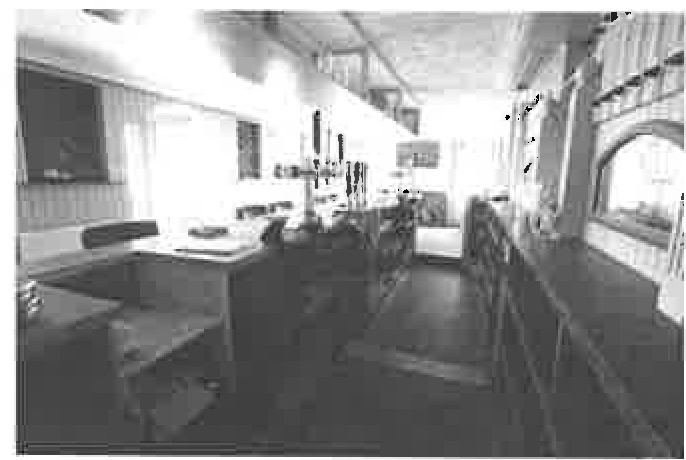
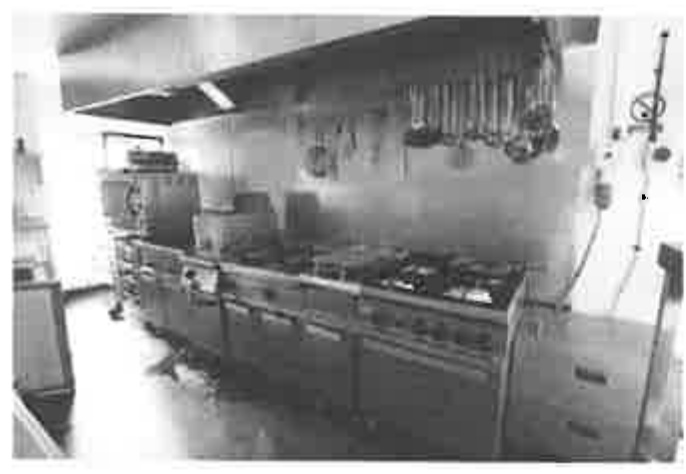
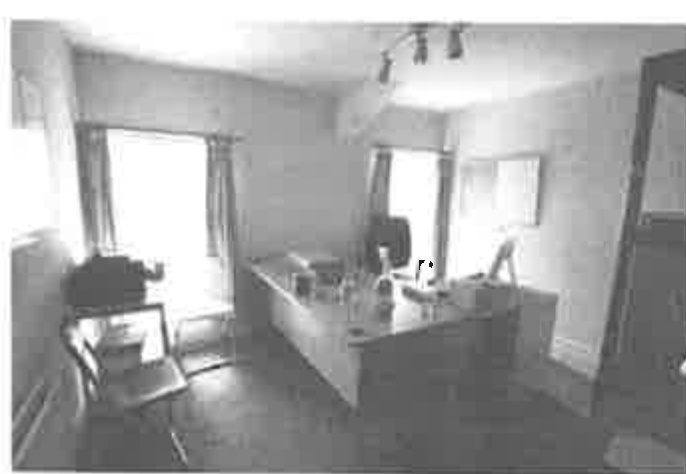
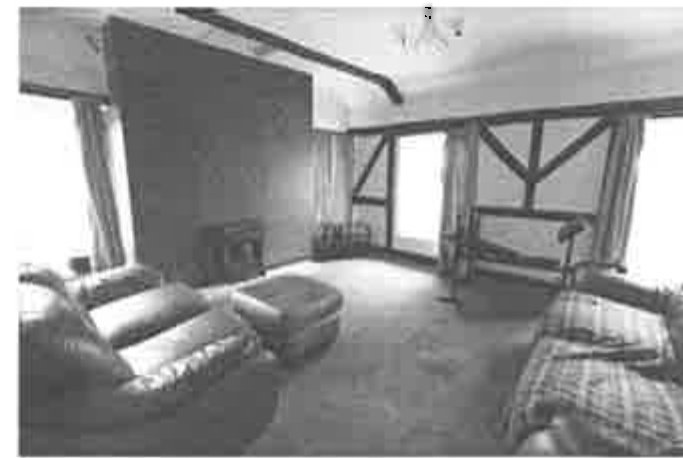
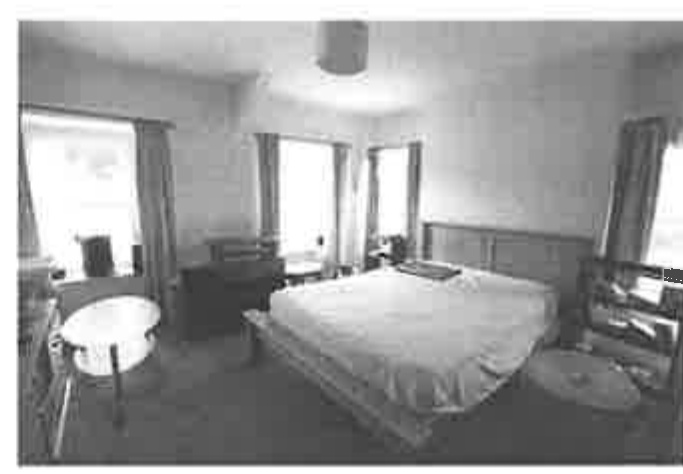
A black and white photograph showing the interior of a public house, featuring a long bar counter on the right and a service area on the left.Black and white photograph showing the interior of a commercial kitchen with a large stainless steel range and extractor hood.A black and white interior photograph showing the bar area of a public house with a counter, seating, and windows.Black and white photograph showing an outdoor patio area furnished with wooden picnic tables and benches, likely the beer garden of the public house.A grainy black and white photograph showing the interior of a room with exposed timber framing, sofas, and large windows.A grainy black and white photograph showing the interior of a bedroom with a double bed, windows with curtains, and furniture.
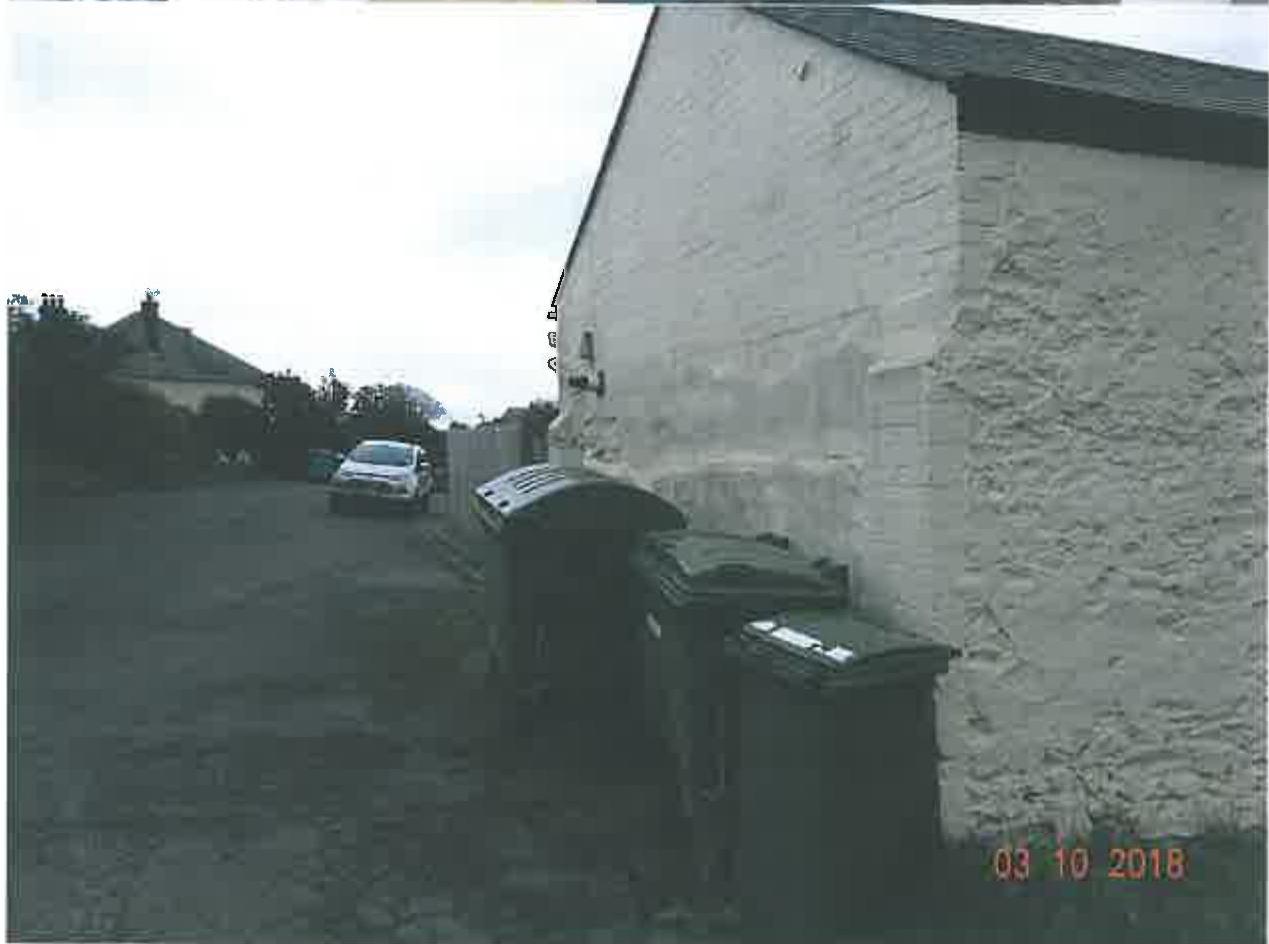
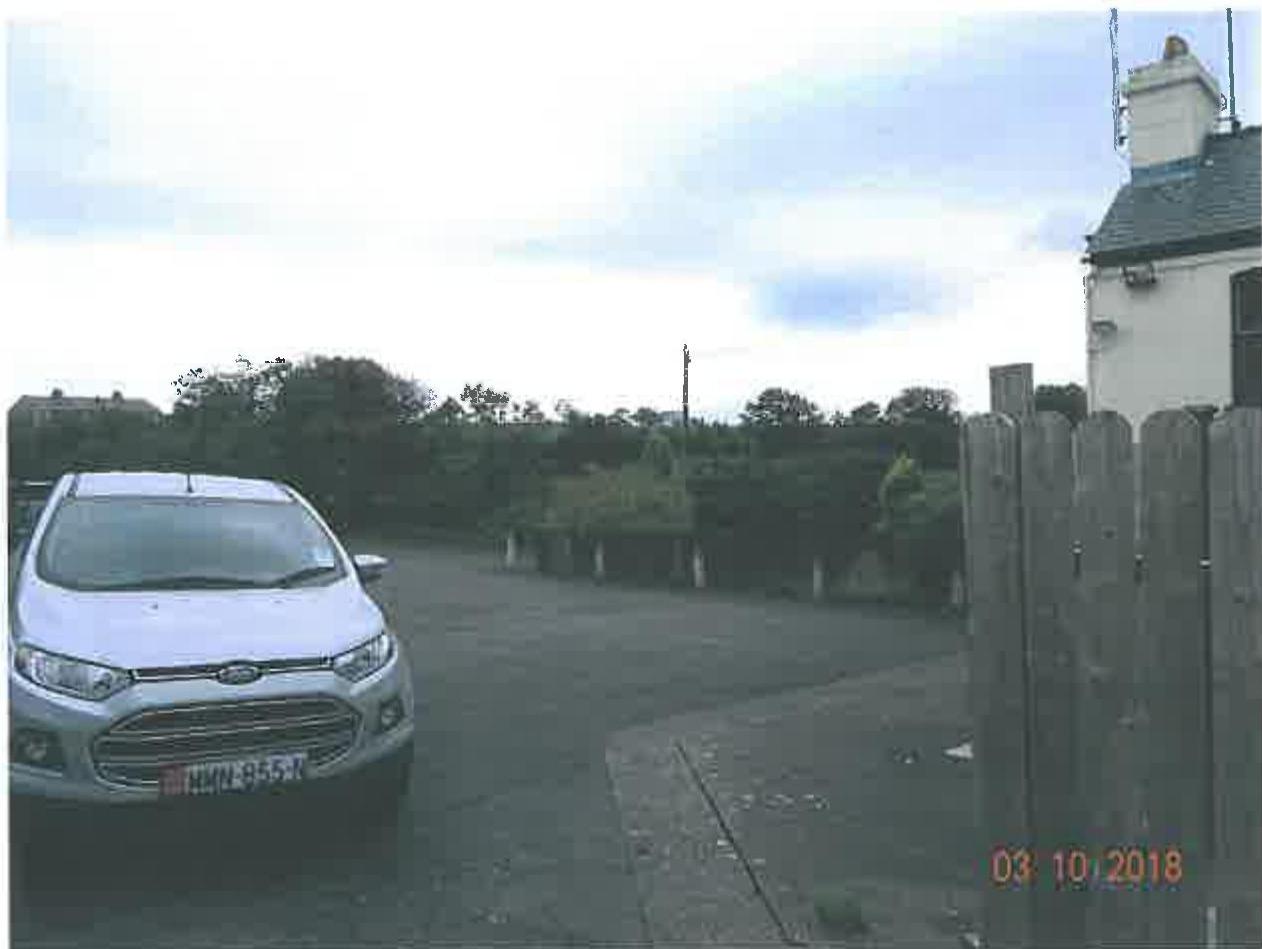
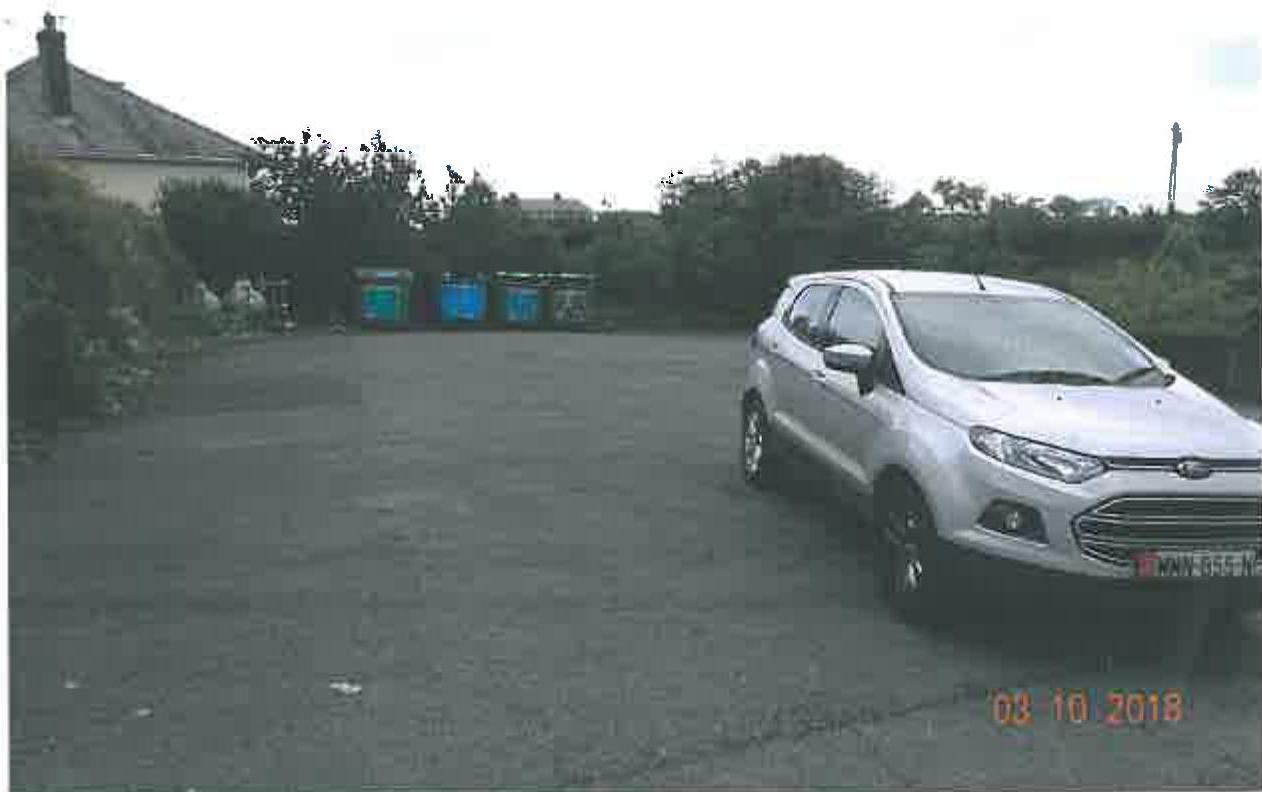
Part 6 Case Officer's Site Photos
03 10 2018
A street-level photograph of a white two-story public house featuring 'Castletown Brewery' signage and outdoor picnic tables.A photograph showing the exterior elevation of a long, white-washed building with multiple chimneys, likely a former public house or terrace of cottages.A photograph showing the exterior of a white, two-story building with a slate roof and chimney stacks. A wooden fence runs along the front of the property.A photograph showing the exterior of a white two-story building and an adjacent large white outbuilding, likely the former public house.Interior photograph of a public house showing the bar area with beer taps and dining tables.A photograph showing the side elevation of a white-washed building with several large waste bins lined up against the wall and a car parked on the driveway in the background.A photograph showing a white car parked on a paved forecourt next to a wooden fence and the corner of a white building.A photograph showing a paved car park area with a silver car parked on the right and several large waste bins in the background.
03 10 2018
A photograph showing the side elevation of a white two-story building with a large paved area in the foreground and rural scenery in the background.A photograph showing a paved parking area or forecourt with waste bins on the left and trees in the background.
Copyright in submitted documents remains with their authors. Request removal