Loading document...
| Flood Event | Reported Internal Flood Depth (mm) | Reported External Flood Depth (mm) | Ingress Route(s) |
|---|---|---|---|
| 06/01/2018 | Cellar 100mm | 0 | Cellar Floor |
| 01/2002 | Cellar 420mm | 240mm | Cellar Floor and Walls |

Information on the property-specific flood history has been collected through discussions with the owners of the property.
The homeowner reported that the cellar floods on a regular basis, the last time being Saturday 6th of January 2018. It was reported that water entered the cellar through the floor and walls to an approximate level of 100mm.
January 2002 was reported as being the biggest flood event. The homeowner reported water coming up through the floor of the cellar and seeping through the wall. Flooding reached a depth of approximately 430mm. This level was taken from a mark left on a table leg in the cellar.
In 2014 the road at the front of the property also flood to a level of approximately 240mm, however, the front threshold is approximately 420mm from the pavement level so water did not enter the property at ground floor level.
There is a sump pump currently fitted in the cellar, however, the condition of the pump is unknown.
Currently there is no flood warning service on the Isle of Man.
Modelled flood depths are not currently available for use in this report. Manx Utilities Flood Map shows that this property is at High Risk of River and Tidal flooding. The risk of surface water flooding to the property is unknown, although surface water flooding has not been reported as an issue.
The following table displays reported flood events and depths at this property.
The global average surface temperature has increased since the late 19th century. Further warming is unavoidable and is being enhanced by human activities. This warming has changed, and will continue to change the water cycle and sea levels, with sea levels predicted to continue to rise beyond 2100.

The property is situated on the left bank of the Silverburn River.
The Manx Utilities Flood Map shows the property has a high chance of River and Tidal flooding in any year. The Flood Map indicates the extent of river flooding associated with a flood event having a 1% chance of occurring in any year and the extent of coastal flooding for the extreme sea level having a 0.5% chance of occurring in any year.
https://www.manxutilities.im/media/1520/silverburn_subset_-1.pdf
High levels of precipitation increase the likelihood of surface water flooding. The risk of surface water flooding to the property is unknown.
Please note that surface water issues have the potential to be exacerbated by poorly functioning surface water drains.
Surface water flooding will tend to follow road levels resulting in relatively shallow depths of flooding when compared to fluvial and tidal depths.
There are no groundwater level measurements available within the vicinity of the site. However, with increased precipitation, groundwater levels will rise, which could result in groundwater entering the property directly through the property floors, and an increased level of surface water overland flow. The property is known to flood.
The property may be at risk of flooding as a result of foul drainage becoming inundated, causing sewage to back up into the property. There have been no reports of poorly functioning drains, or sewage backing up into the property and the property has no toilet on the ground floor.
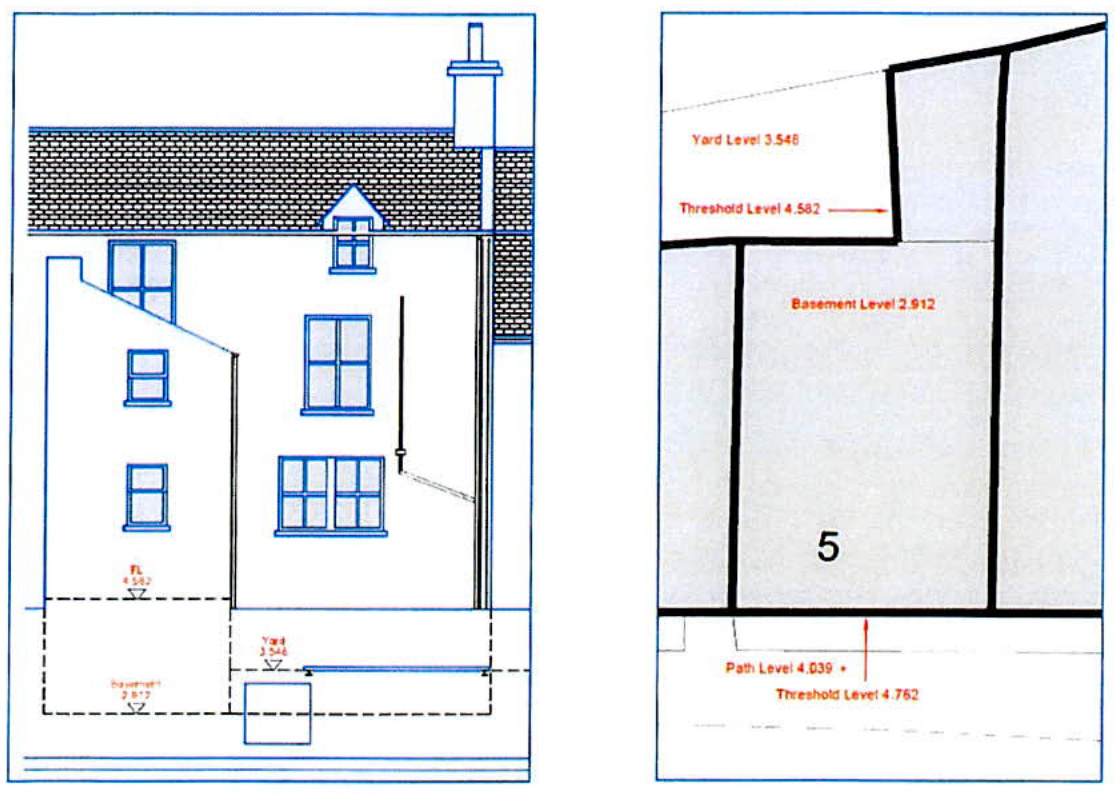
The plan below shows the outline of the property, with threshold and ground levels.
JHA consulting
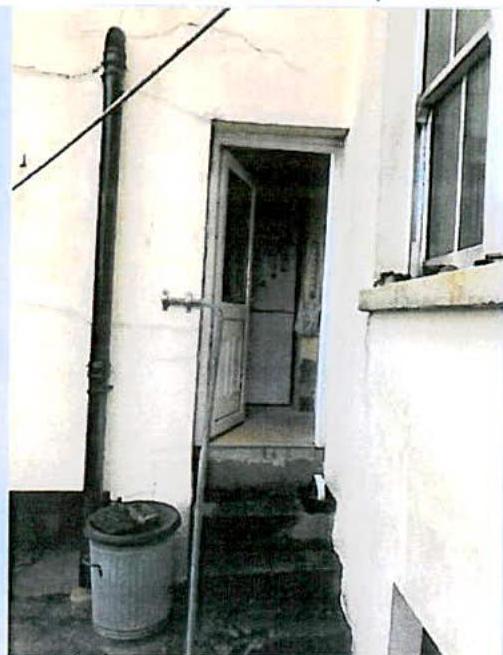
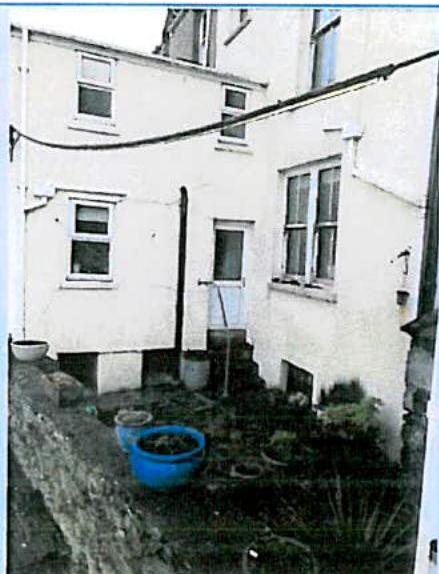
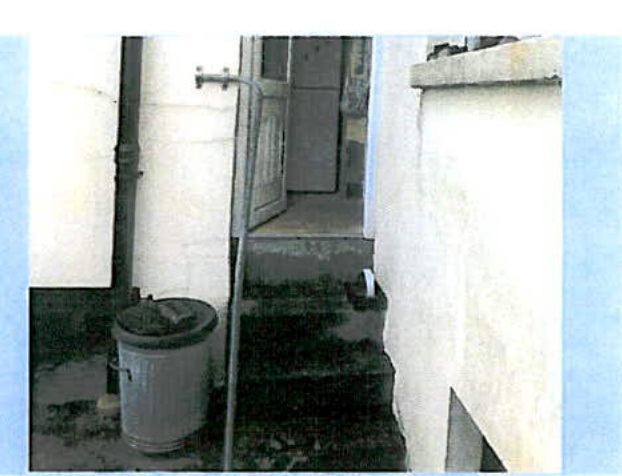
There are 2 external doorways (front and rear) which could potentially present direct ingress routes for floodwater, however, they are raised above ground level and all previous flood levels. The rear door is set at a lower level and leads onto the yard adjacent to the river.
The main section of the ground floor is constructed of suspended wood, the kitchen to the rear of the property is 200 mm lower than the rest of the ground floor and the floor is constructed of concrete. The cellar floor is also constructed of concrete and although it appears to be in good condition it is known to be an ingress route for groundwaters and seepage from the river.
There are no airbricks or air vents located around the building perimeters.
Although the condition of the external walls of the property and river wall are considered to be in good condition, if flood water were to remain in contact for an extended period of time it may seep through and enter the property. This is especially true for any areas where the pointing and stonework has degraded.
Inundation of the foul drainage may cause sewage to back up along the system, resulting in internal flooding, however, no issues have been reported and there is no downstairs toilet.
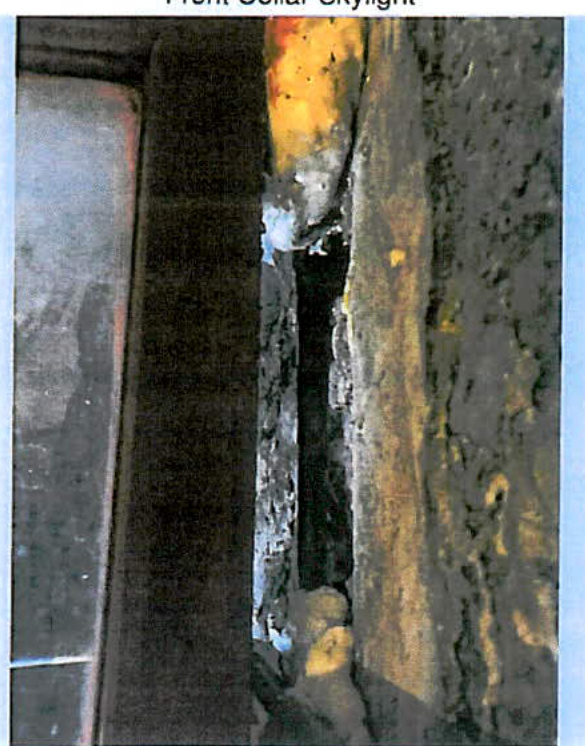
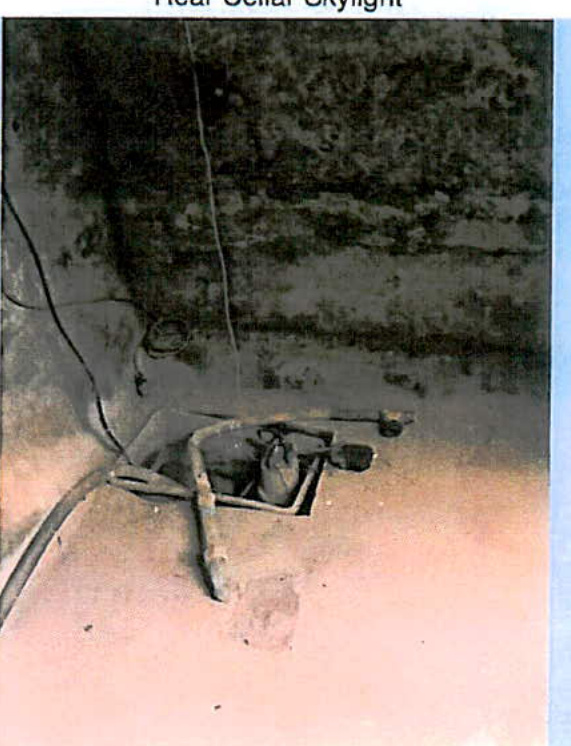
The cellar has two skylights, one at the front and one at the rear. The skylight at the rear has been sealed with expanding foam to prevent water ingress. The skylight at the front of the property has a large gap between the wall and the frame which would provide a direct ingress route for flood water should water pond against it. The skylight at the front ground level is raised up approximately 400 mm from ground level, preventing water from ponding against it.


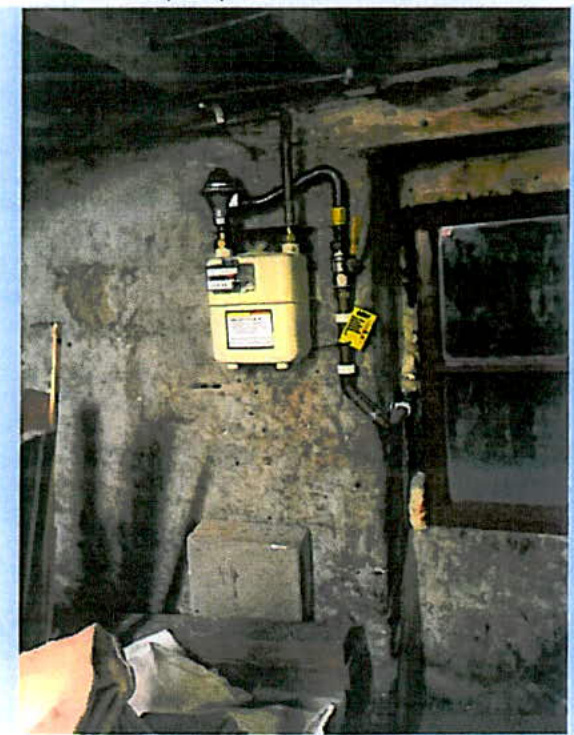
Following the January 2002 flood event, the resident had to replace white goods situated in the cellar. The gas meter and electrical sockets have never been affected by flood water as they are raised above the level of flooding and are located at ceiling height.
Front of Property Front of Property {{image:7187696}}
Rear of Property (showing cellar skylight at ground level and raised access to rear door)
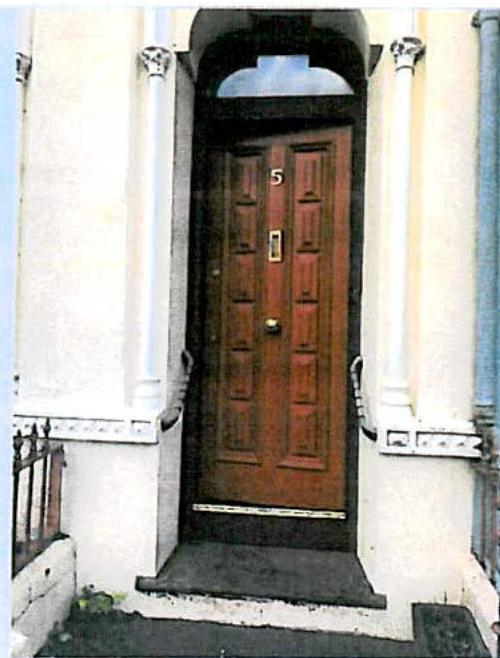
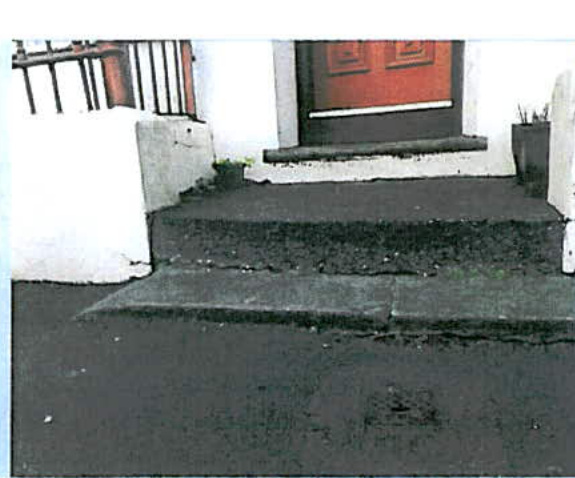
Front Threshold
Rear Threshold
Front Cellar Skylight
Front Cellar Skylight
Rear Cellar Skylight
Existing Cellar Sump Pump

Front Cellar Skylight (at ground level)
Front Cellar Skylight (at ground level)
Front Cellar Skylight (at ground level)
Rear Cellar Skylight (at ground level)
Rear wall (left bank of Silverburn River)
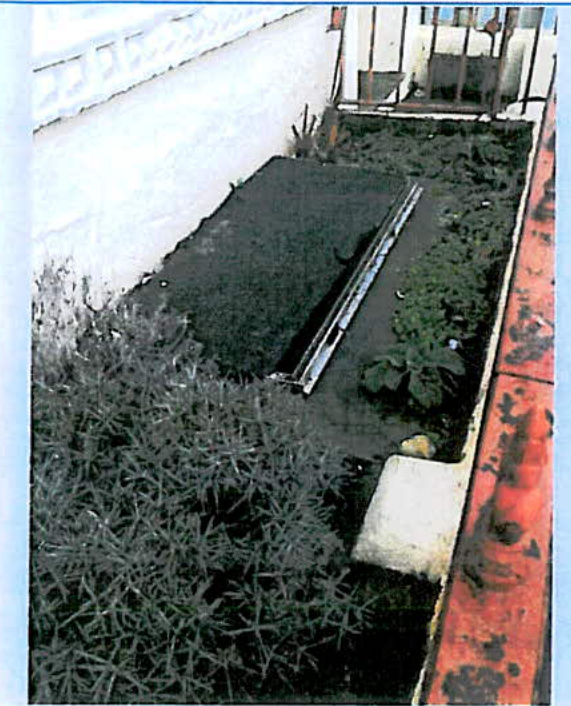
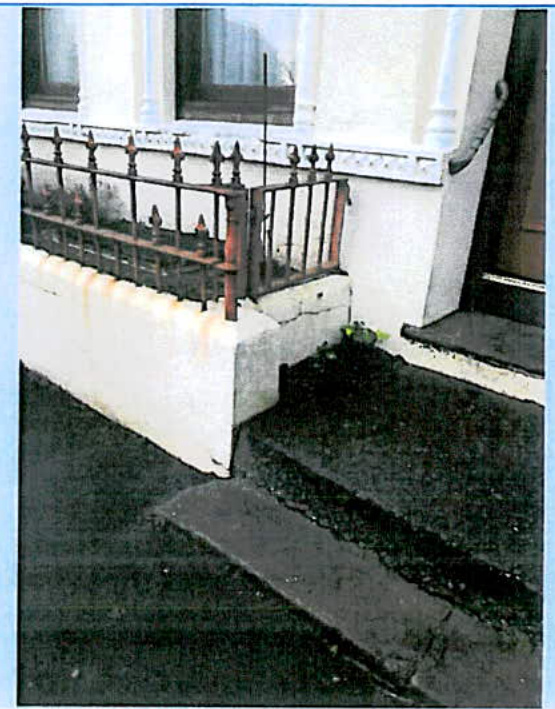
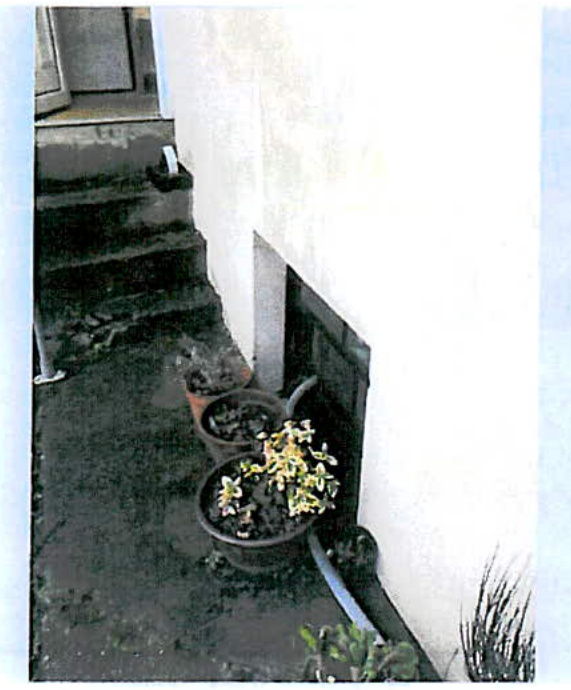
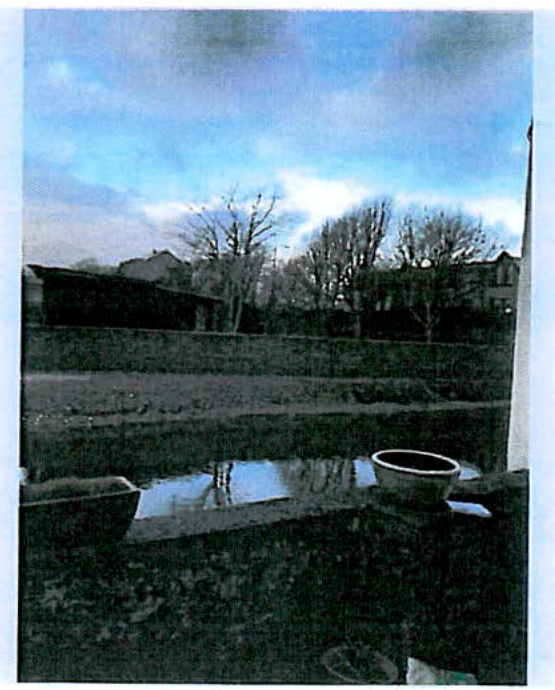
Steps up to Front Threshold
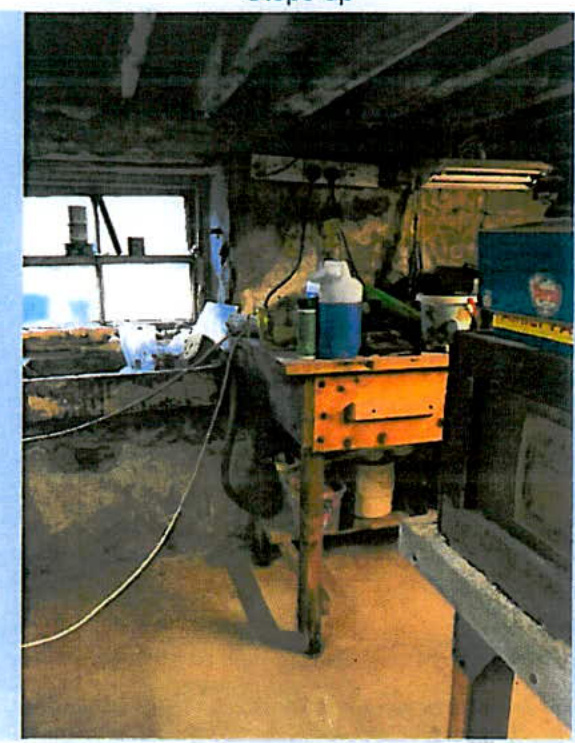
Steps up
Gas Meter Located in Cellar (Above height of previous flood events)
Electric Sockets Located in Cellar (Above height of previous flood events)
JBA Consulting
RISK
7.1 Introduction
Property level flood protection options have been assessed. The primary intention is to develop a cost-effective and practical range of property level flood protection options within the immediate curtilage of the property, to help mitigate and reduce the effect of flooding.
The focus has been on assessing means to increase the flood resilience of the property as well as restrict the entry of floodwater into the property (flood resistance) using proprietary measures available through reputable suppliers. This property is constructed from single skin Manx Stone with concrete ground floors, and there is a risk of flooding above the threshold level.
7.2 Design criteria
JBA Consulting surveyed the property to establish the appropriate height to which flood mitigation measures can be provided.
The Department for Environment, Food and Rural Affairs' best practice guidance for Property Level Protection states that product selection should prioritise measures which bear the BSI Kitemark. All BSI Kitemark products have been tested and their performance confirmed up to maximum depths of 900mm. Research carried out for the Department for Communities and Local Government (DCLG) and the Environment Agency has recommended that the use of resistance measures should generally be limited to a nominal protection height of 600mm above ground level: the lowest point of ground abutting the external property walls. This is because the structural integrity of the property may be compromised above this level, which also increases the risk of cracks and leaks.
It should be noted that the flood mitigation measures described would not be expected to cause an increase of flood risk to other properties or other parts of the local community. They will help mitigate against flood risk but, as with any flood alleviation scheme, flood risk cannot be removed completely. Emergency plans should be in place that describe the installation of measures but also take note of, and prepare for, the residual flood risk that remains. Information on preparing a personal flood plan is provided in section 10.2.
It should be noted that the options described here are outline, for further discussion and agreement between the owner and appointed supplier/installer. Further agreement will also be needed with the appointed contractor concerning the specifics of any installation works. It is the responsibility of the contractor to ensure that all installations and modifications to the property are compliant with all relevant regulations, standards and guidance.
7.3 Flood Risk Mitigation Options
The list below presents a number of options the owners could take to reduce the impact of flooding to the property. The list has been separated into flood resilient measures and flood resistant measures although a combination of options may provide


Flood resilient measures will be effective independently of any other measures employed. Property owners may choose one or more of these measures depending on the preferred use of funds.
The efficiency of flood resistance measures relies on a package of measures being employed to restrict flood water entering the property through the various possible entry routes discussed in section 4 above (note for flood water to enter through the front of the property it is assumed that the cellar would be fully inundated and water is likely to be entering via the suspended wooden floor). Flood resistance measures have therefore been grouped together as one suite of measures with options to protect a particular entry point where applicable (for example the use of flood doors and door barriers).
The following is a list of flood resilient repair options that can be considered to help reduce the damage once floodwater enters the property. The primary risk in this instance is flooding to the cellar only to reasonably shallow depths. It is noted that a more significant event could potentially cause inundation at ground floor level. Flood resilience measures for the cellar include:
Although the electric sockets are raised in the cellar it is noted that a more extensive flood event may result in greater depths of flooding that could impact the power supply to the building. The owner may wish to consider installing a separate fuse box for cellar electrics It will be important to continue with any practices for protecting furniture, carpets, electrical goods, personal belongings and documents to safeguard such items in the event that water does enter the property. In the event of a larger storm event flood water may fill the cellar to full depth and the owner may need to consider the impact of flood water emerging through the suspended wooden floors and via the front a rear door. Further information is available from: www.nationalifloodforum.co.uk
In addition to flood resilient repairs, flood resistance measures can be used to limit water entry into the property.
Copyright in submitted documents remains with their authors. Request removal
View as Markdown