Loading document...
28th August 2015 St Lupus, Malew Application for Advice from the Diocesan Advisory Committee for the Care of Churches. Additional notes & detail of proposed works. Items numbered below correspond to items so numbered on the application form and on the proposed architect drawing.
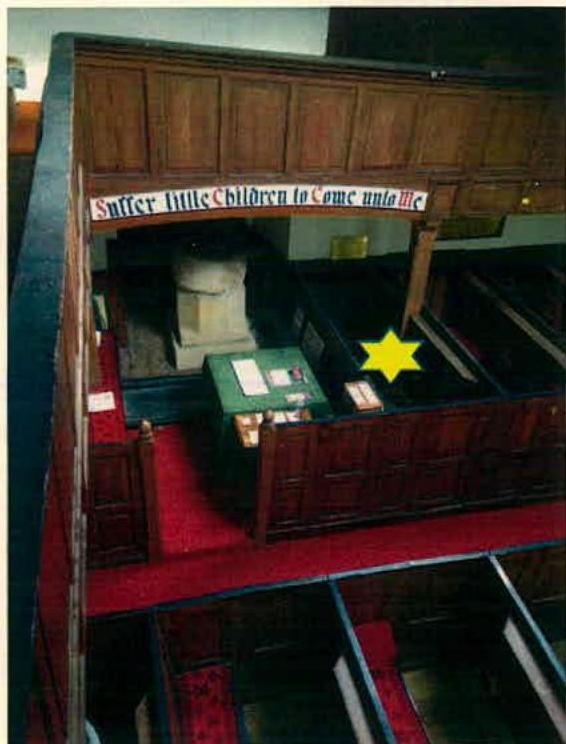
1) Removal of last pew on North side of main aisle & repositioning of newel posts and relocation of the font. The font currently sits in the doorway of the North entrance, partially obstructing the access. The font has occupied this site since a faculty was granted for it's relocation from outside the church to this position in 1899. The ‘basin’ is thought to be medieval, and the stand a later addition. The font sits on top of a ledger stone (and presumably a grave). In it’s current position, services of Baptism cannot easily take place with families gathered around in a dignified fashion, and access to the doorway is severely limited. The font is a significant item within the history of the church and within our sacramental practice and we feel that it deserves a little more dignity. This will ‘open up’ this area, create easier access and allow greater engagement with this part of the church. Pew timbers to be retained for use & repair elsewhere (although not necessarily as a pew).
Yellow star indicates proposed position of the font. {{image:176688}}
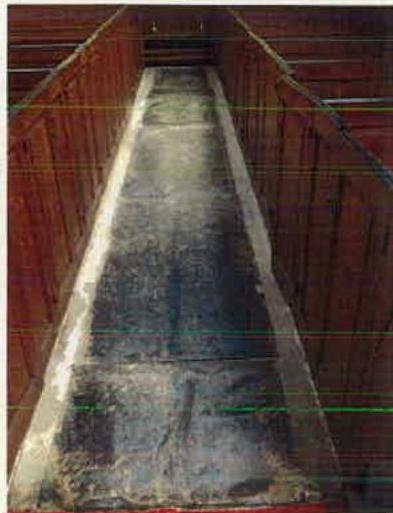
2) Removal of cement border to ledger stones & replacement with stone border. A cement border edges ancient ledger stones. This is unsightly and the given the others works proposed it seems appropriate to tidy this up. Ledger stones to remain in place.
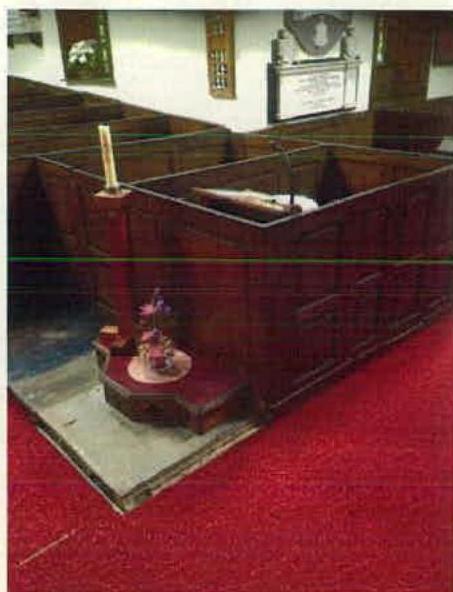
3) Remove two box pews to increase central area. This will permit greater flexibility during services and events. The space created will also give one option for the location of the Reading Desk and associated seat temporarily removed under Archdeacon’s Licence.
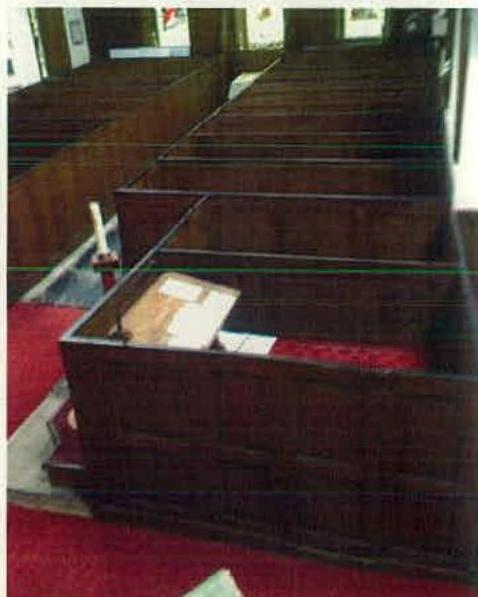
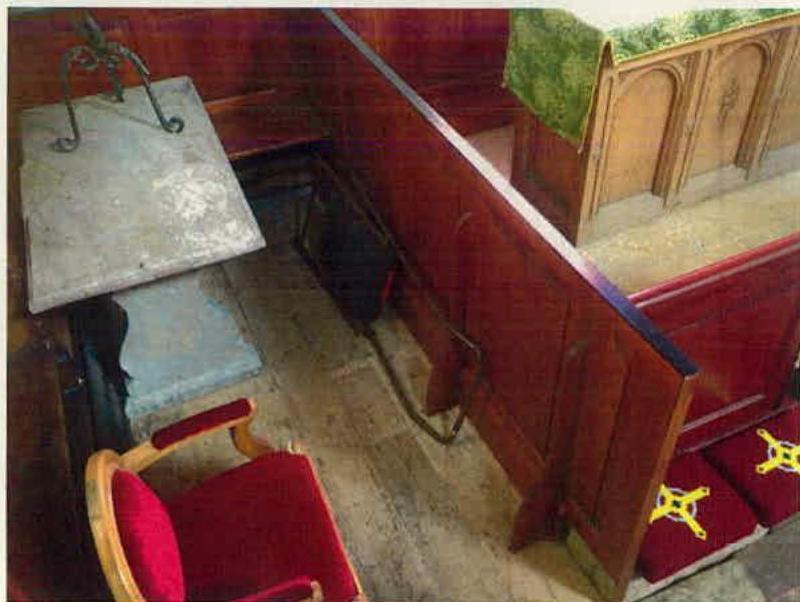
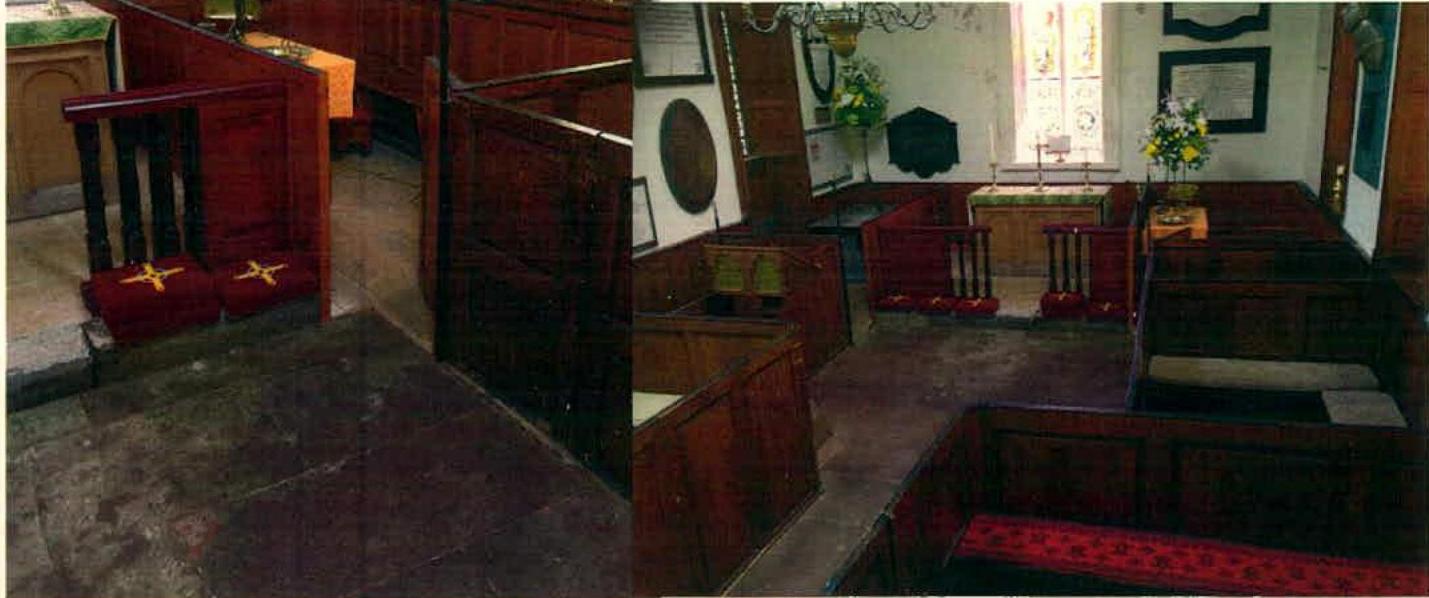
4) Remove partition between altar and side pew. Remove altar rail and raise floor level with existing altar plinth.
Remove ‘new box’ pew created in 2008 and raise floor level to that of the current sanctuary to finish floor to in matching stone. To relocate the ancient stone altar (currently temporarily relocated and in use as a ‘side table’. The stone altar dates to 1705 and was originally made for the ‘Lord’s Chapel’ in Castletown. It arrived in
Malew in 2008 after being salvaged from a store at Castle Rushen. A detailed history has been prepared by Dr Pat McClure of the altar. We hope to retain this in Malew – possibly to be used in a new ‘memorial chapel’ area. In the meantime this will serve as a ‘credence table’ at Malew pending a final future decision on it’s location.
5) Position altar centrally to window The current arrangement means that the altar is ‘off set’ and is untidy.
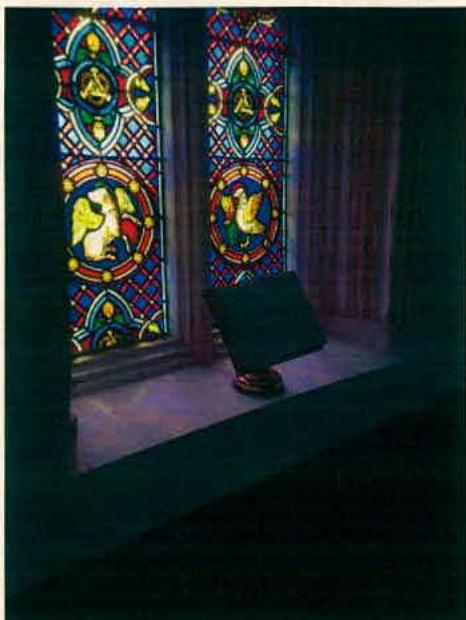
6) Form shelf for cross during services This being a stone addition to the existing window ledge either for flowers, candlesticks or the cross. This would not extend beyond the current sill, it would offer a level surface.
7) Remove one pew on south side by the ‘memorial window’ and reposition along back wall. The removal of one pew will enlarge the area by the First World War memorial and create space for circulation by the main entrance. The Pew will be repositioned along the back wall. The ongoing debate regarding a new Second World War memorial continues and this will be part of future faculty/planning application.
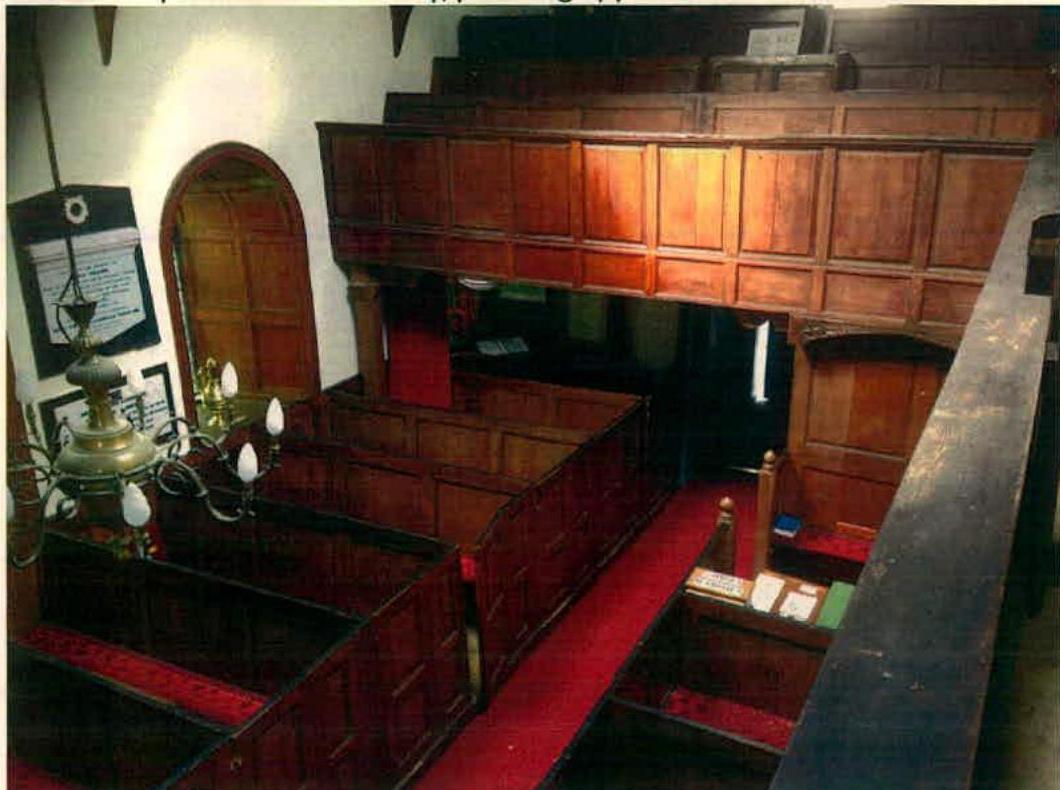
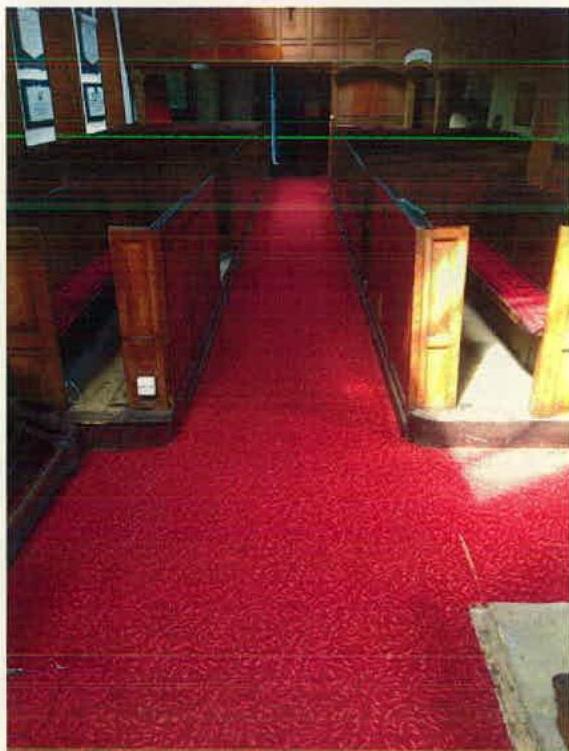
8) Reform aisle with no7 ledger stone s(1.8m long). 1-4 being ‘level’ 5-7 as a slope to the ‘crossing’ The ledger stones will replace the existing worn carpet and will be dressed stone. The stones have been sponsored and will be used to create ‘level access’ from the exterior of the building right up to the ‘crossing’. One regular member of our congregation uses a wheelchair; following the temporary re-ordering he has begun to enjoy an active role within the Sunday worship and we look forward to being better able to facilitate this. The gradient of the slope will be within the current guidelines for accessibility for public buildings.
9) Lower floor adjacent to pews to level with aisle. Form seat to pew back to be used by clergy during services. Repair central area in sandstone to match stone in chancel. Faculty archive suggest that this central section of the church was changed to it’s current layout (save for temporary changes made under Archdeacon’s License dated March 2015) in around 1899. The floor structure is a mixture of decaying timber (of varying levels), sandstone and concrete. To finish in stone to match the nave.
10) Remove two box pews at side of the altar and form new step to altar 'plinth'. All timber to re reused or retained in safe storage for future use. This will create a larger open 'sanctuary' area and enlarge the communion rail area by one third. The step will form a kneeling area. No proposed rail to be reintroduced. (It is felt that we may apply to install a moveable rail at a later date when we have a better sense of how the space might be used).
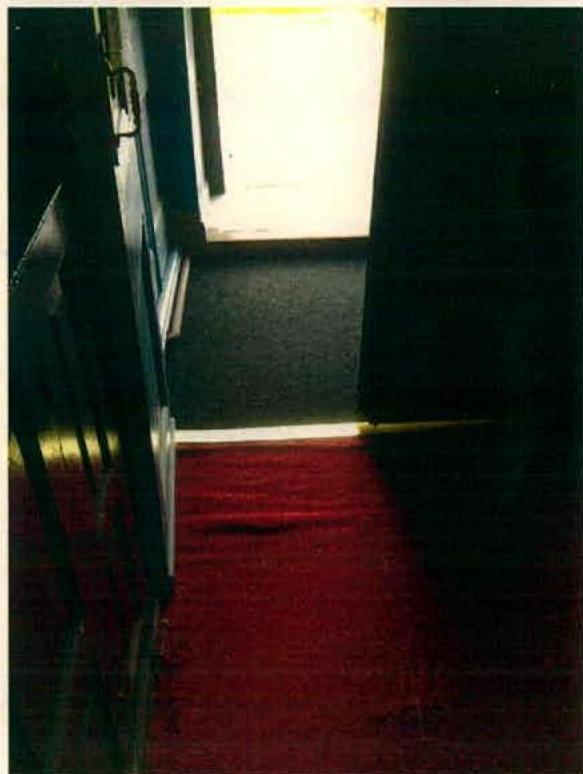
11) Mat in doorway – raise aisle to remove step and adjust door to suit step. This will remove existing steps into the church, store room and vestry.
12) Protect organ throughout works with timber/plastic sheeting (in accordance with a specification decided by Mr P Jones [organ builder] and Mr G Moore [Diocesan Organ Adviser]. Alter heating pipework to remove obstruction behind organists stool.
13) Change heating pipe to remove obstruction & trip hazard behind organ stool. The current arrangement of the heating pipes is unsightly and requires that the organist climbs over the pipes each time she climbs onto the organ stool. The proposal will see these buried under ground, total length of pipe to relocate is approximately 2m in length.
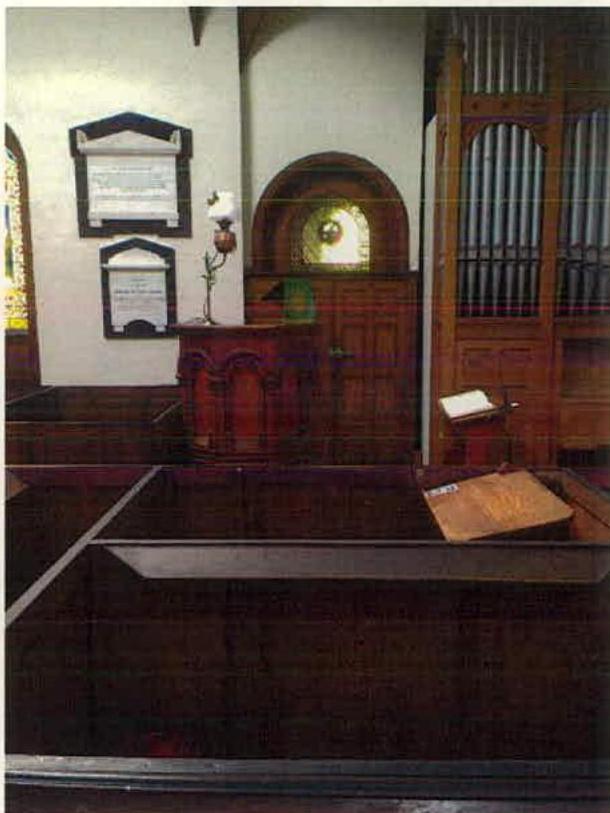
14) Move pulpit to open up access to south door. Reduce pews to widen aisle & access to altar. Relocate the pulpit approximately 1m further east. During the 1899 works the south door was moved to it's current location. The internal lobby created provides and interesting detail and constructed of paneled timbers which are obscured by the pulpit. The pulpit would need to be temporarily removed to facilitate repairs and works to the floor structure as detailed in No3. Photographic records from 1901 suggest that the 'chancel' aisle was much wider, during these works we propose to reinstate this; this will afford greater dignity to funerals (ease of turning the coffin) and to weddings etc.
Copyright in submitted documents remains with their authors. Request removal
View as Markdown