Loading document...
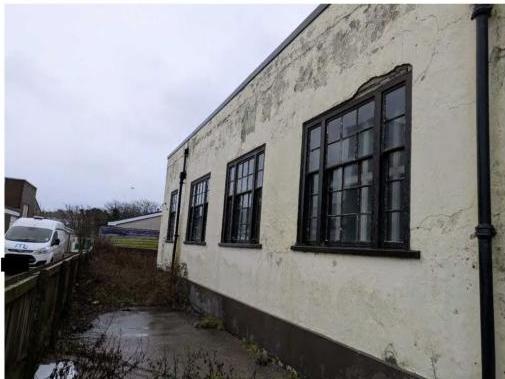
The building is a single‑storey, rectangular‑plan former commercial/industrial workshop arranged on a north–south axis, with a continuous parapet, shallow pyramidal roof and rendered masonry elevations set on a painted plinth. The long east and west faces are punctuated by a regular sequence of tall, multi‑pane timber windows set in painted timber surrounds with shallow sills; these large openings and open-plan interior, define the building’s original workshop/showroom character.
The principal forecourt frontage contains a large, secondary glazed display opening set within a shallow recess, while a narrow service yard and low stone boundary wall run along the north side. The rear/north elevation is plain and functional, with a modern PVC personnel door and PVC window and visible external services.
The building comprises one large open‑plan workshop/showroom with a small rectangular service block to the rear that originally contained a private office and WC. The long elevations are pierced by nine tall, multi‑pane timber windows, five on the west elevation and four on the east, the entranceway occupying the position corresponding to the fifth window on the opposite side. The windows are formed beneath concrete lintels, and their internal sills are lined with Milton tiles. These large, tall apertures would have admitted abundant daylight to the principal space. The entrance way is almost double‑height, providing clearance for large‑object access necessary for the building’s commercial/light‑industrial purpose. Internally, the principal space reads as originally open in plan as there is no evidence of interior divides. A wooden herringbone floor survives in the main area. The rear compartment is contemporary with the main block, demonstrated by the continuous use of Milton tiles around the window reveals and as tiled skirting. The small rear room now used as a boiler room was originally a second W.C. and retains the original corner sink location and soil outflow.
The wide forecourt glazed opening is a later, secondary insertion associated with subsequent showroom use, possibly around the same time the ceiling was lowered and metal internal glazing with fire safety glass was installed in the window bays but still sits on the original tiled sills.
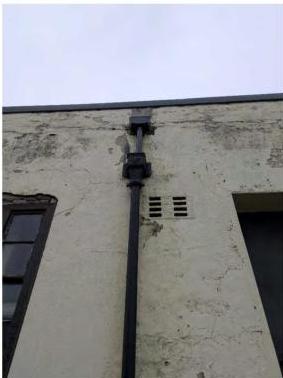
The building’s fabric and fittings place it firmly in the early twentieth century. The combination of a parapet roofline and decorative cast‑iron rainwater fittings, with moulded hoppers with a decorative boss and round cast‑iron downpipe, suggests a conscious design towards a functional but beautiful modern industrial or civic unit. The building was built with original provision for indoor plumbing and formal drainage. Similarly, the use of Milton tiles, concrete window lintels and the disciplined
regularity of the fenestration indicate an interwar or early twentieth‑century date (possibly as late as the 1940s). The proportions and detailing are consistent with a purpose‑built modern utility building of the period: conceived to house new technology and services (a telephone exchange is a plausible original use). Pairing functional planning with selected refined fittings and access to good light, producing a modern building which would have been comfortable to work in.
Overall, the unit is a good example of an early twentieth‑century, purpose‑built industrial/commercial premises, brick‑built beneath its render, combining pragmatic constructional elements with considered architectural accoutrements that conveyed contemporary modernity.
Images – see plans for location of photographer
Image Ex01 – exterior, north facing elevation
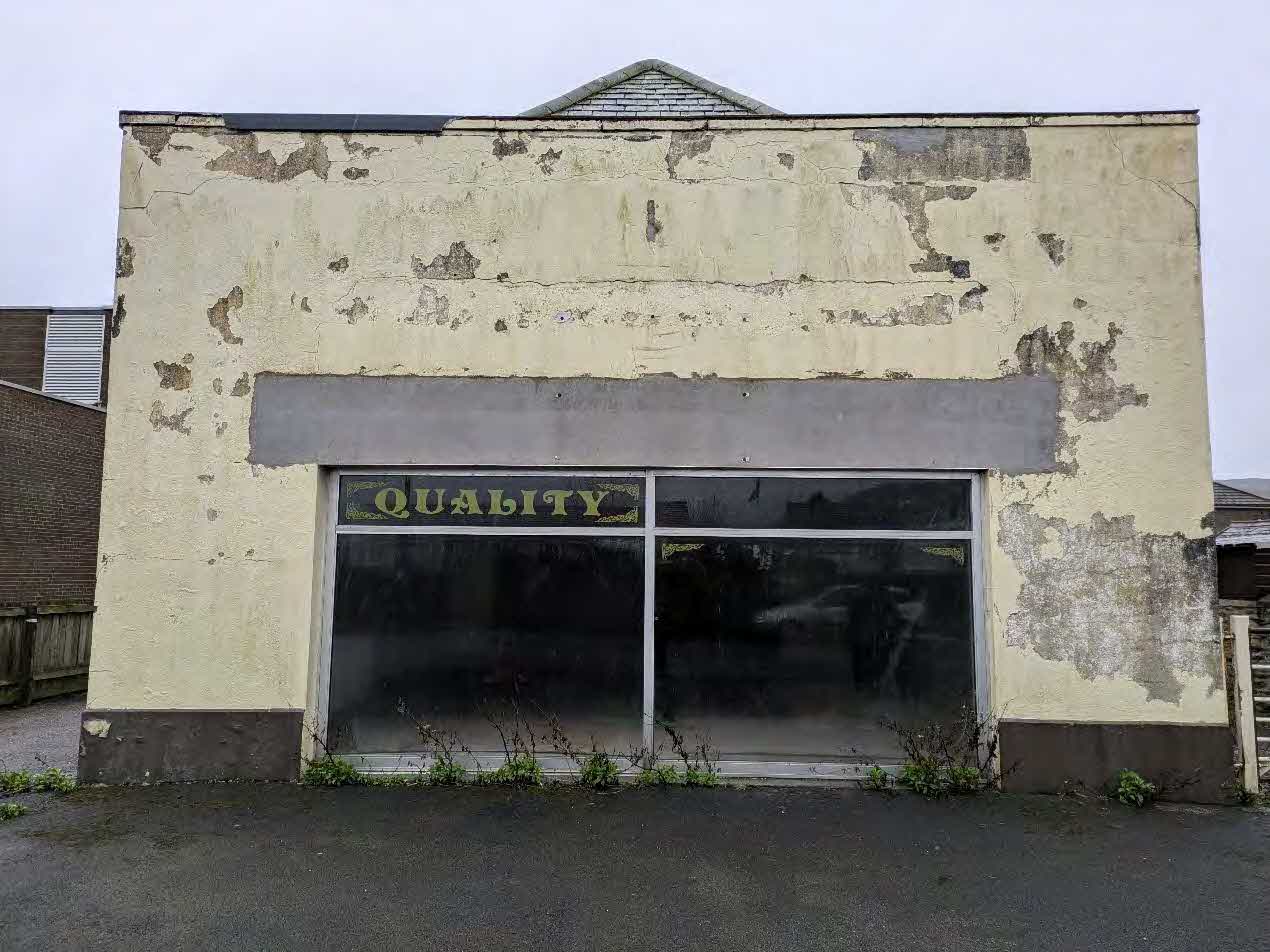
Image Ex02 – exterior, east elevation
Left: Image Ex03 – exterior, cast-iron downpipe
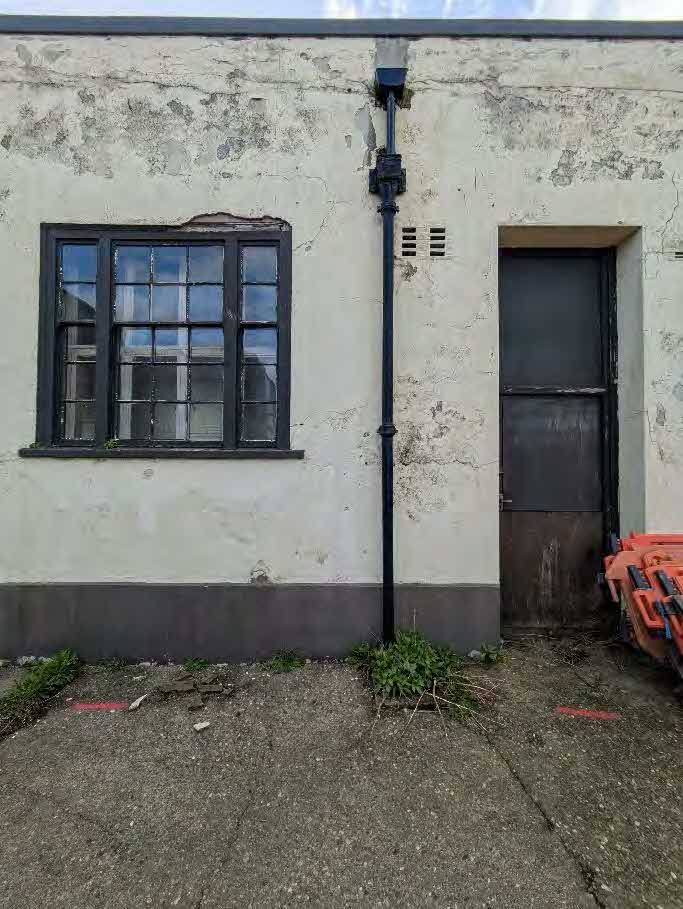
Right: Image Ex04 – exterior, cast-iron downpipe, decorative detail and brick-built air vent
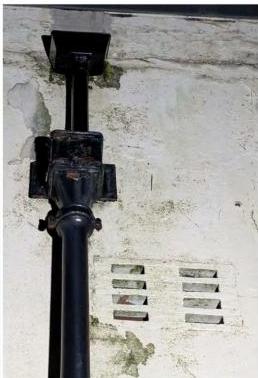
Image Ex05 – exterior, east elevation
Ex06 – exterior, view looking south-east
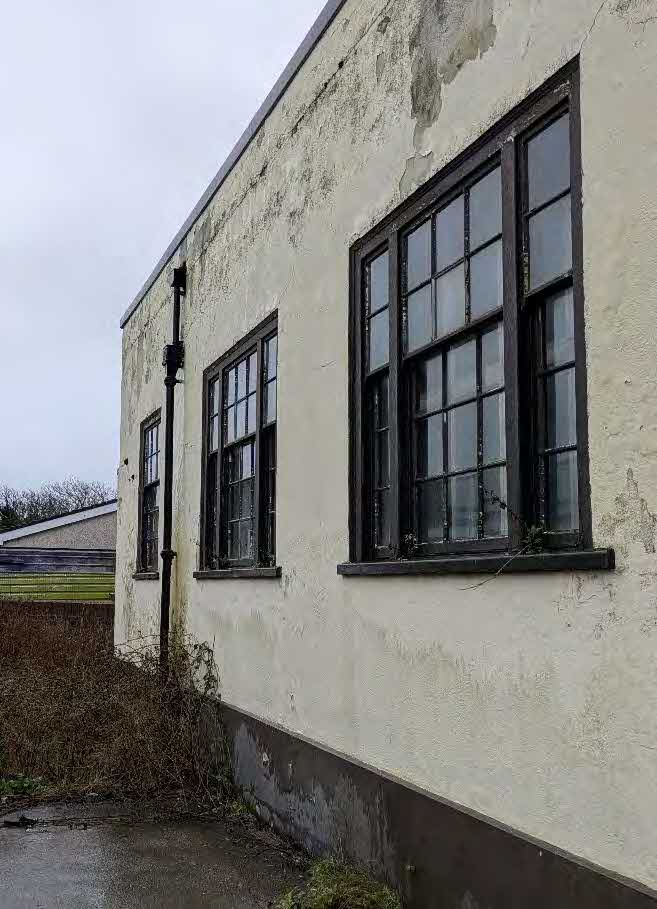
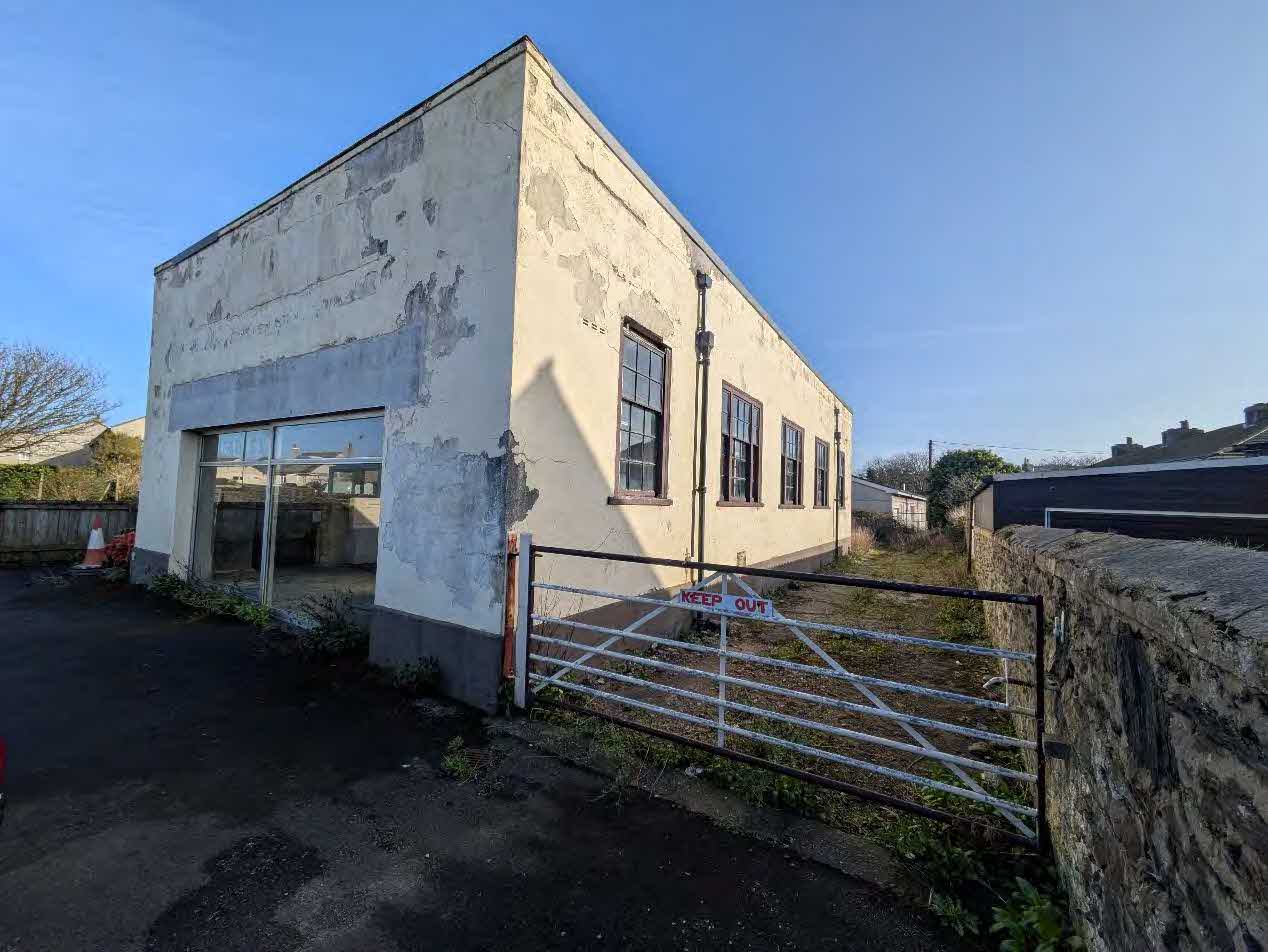
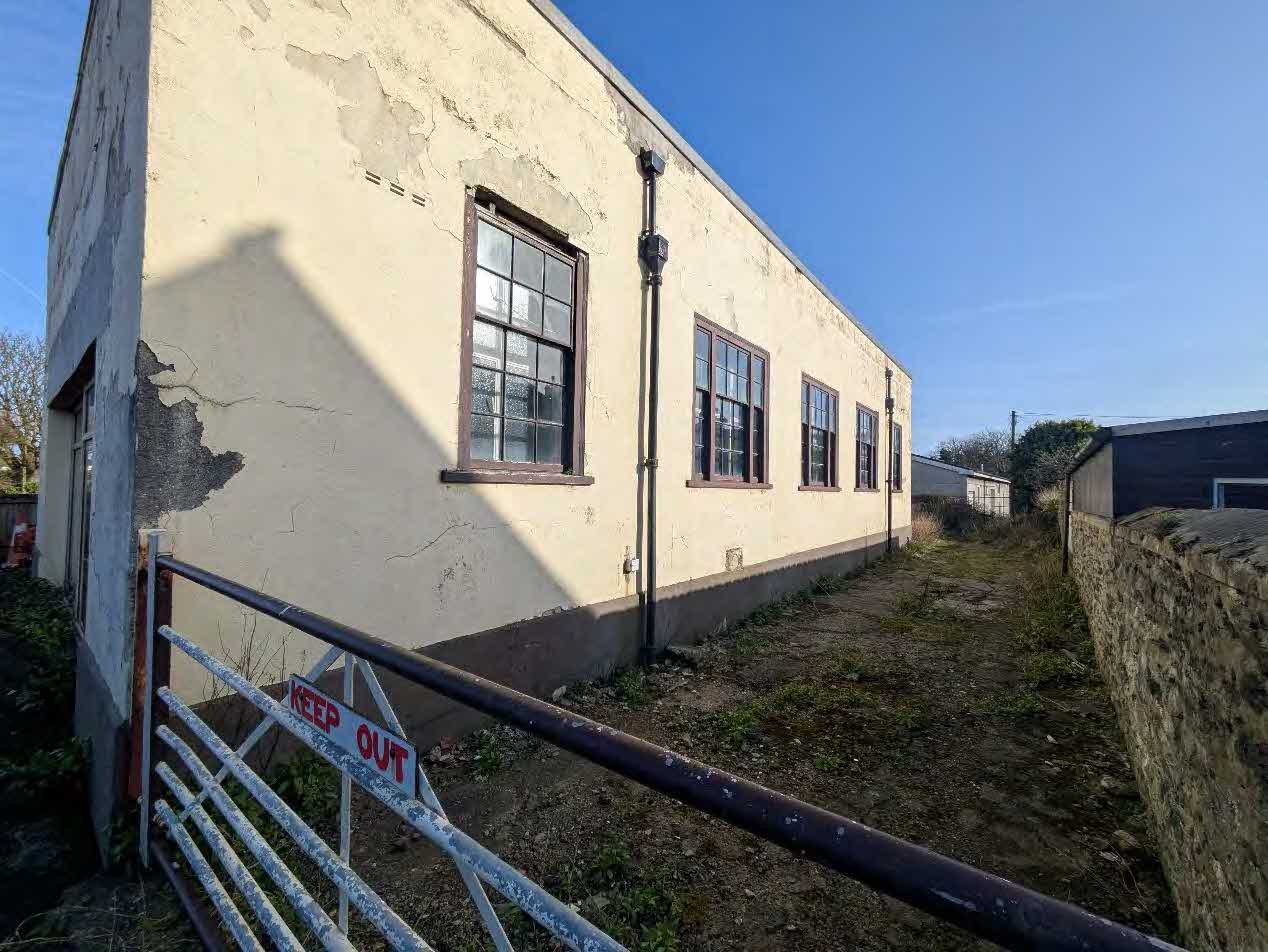
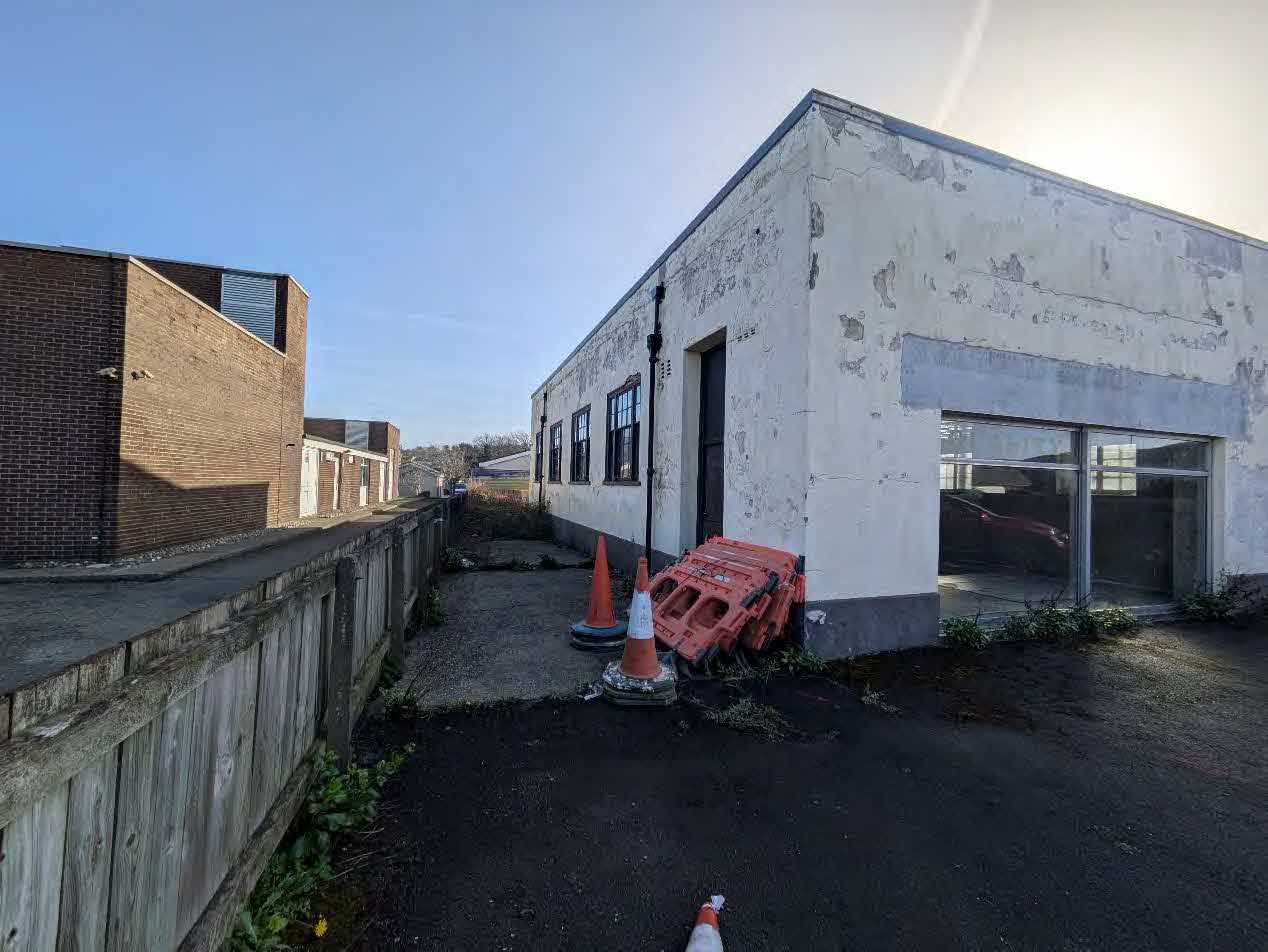
Image Ex09 – exterior, window detail
Image Ex10 – exterior, downpipe detail
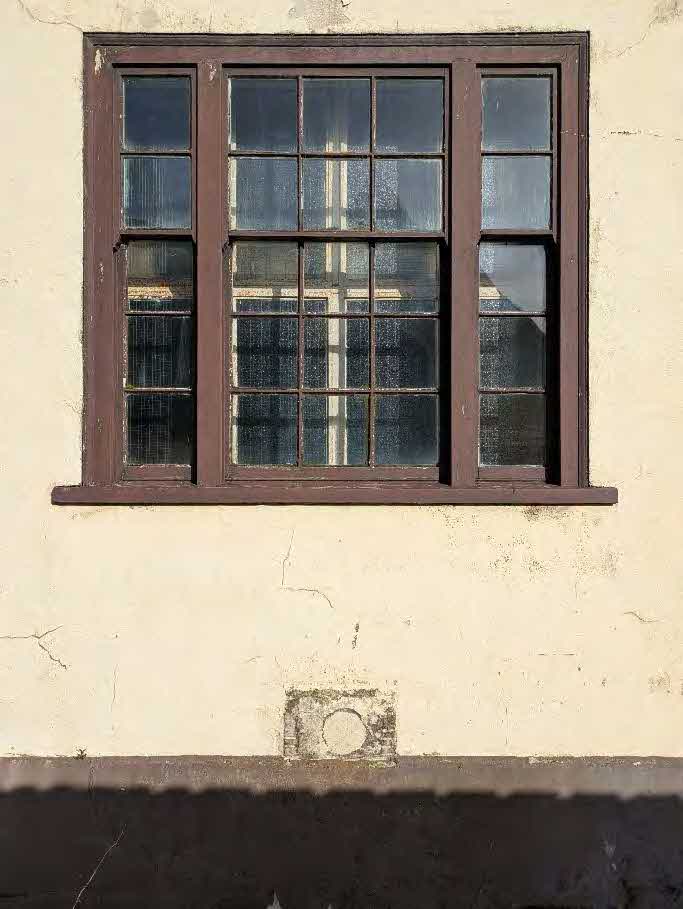
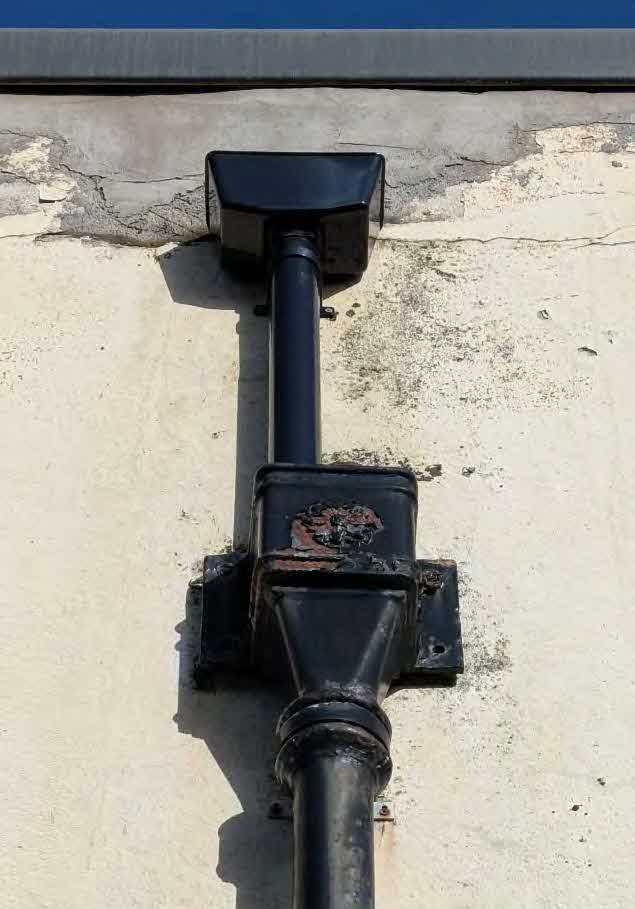
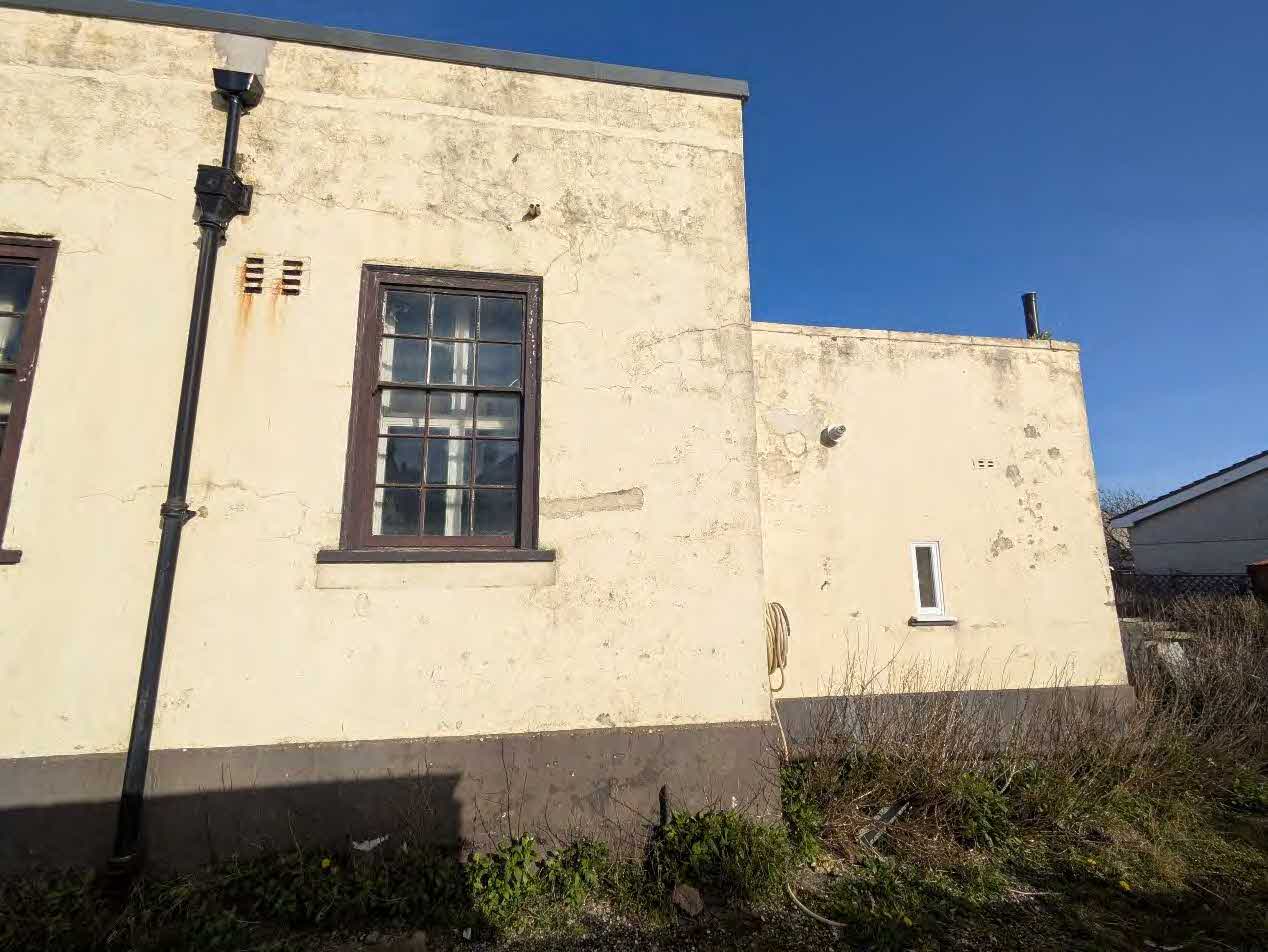
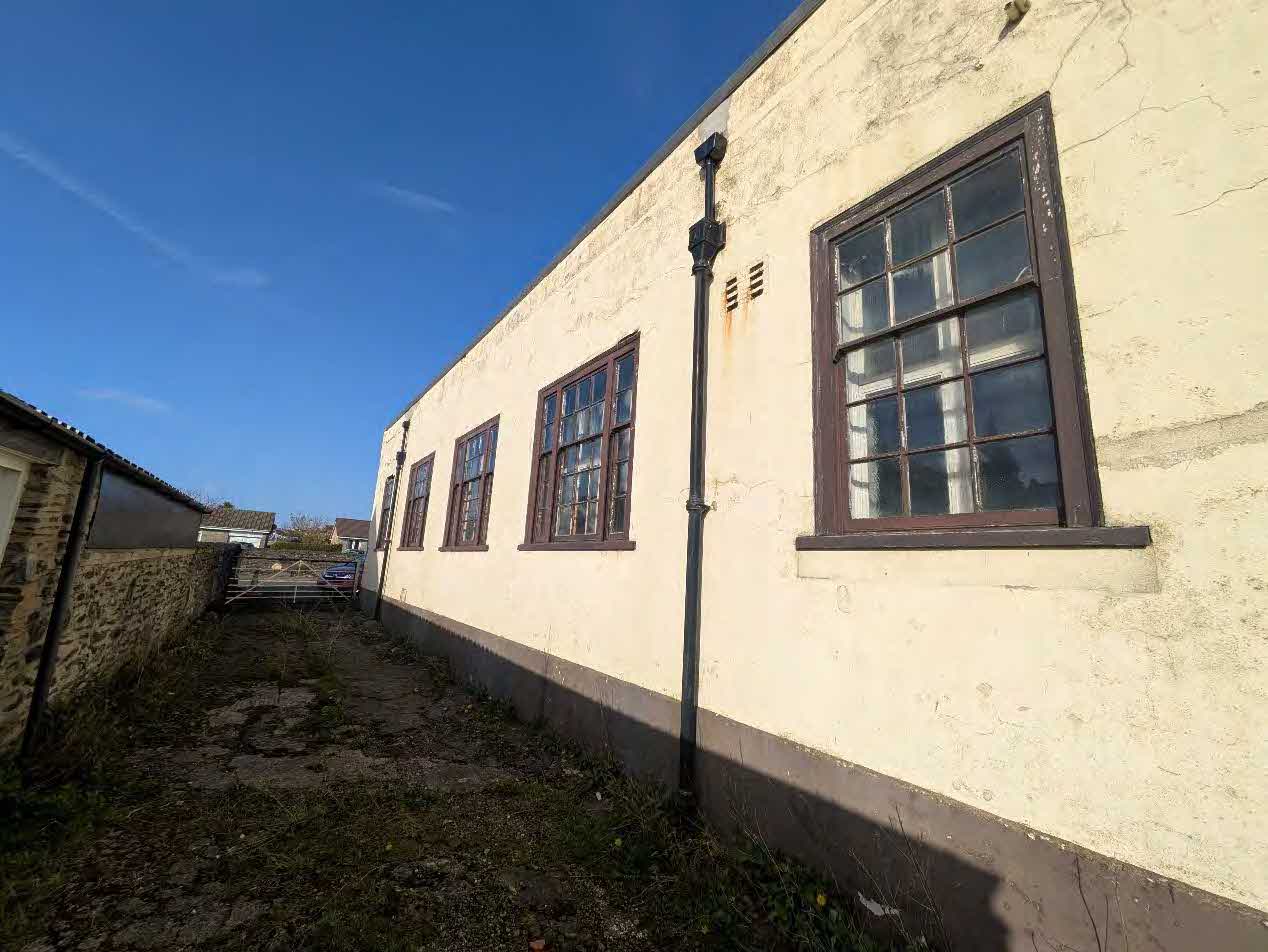
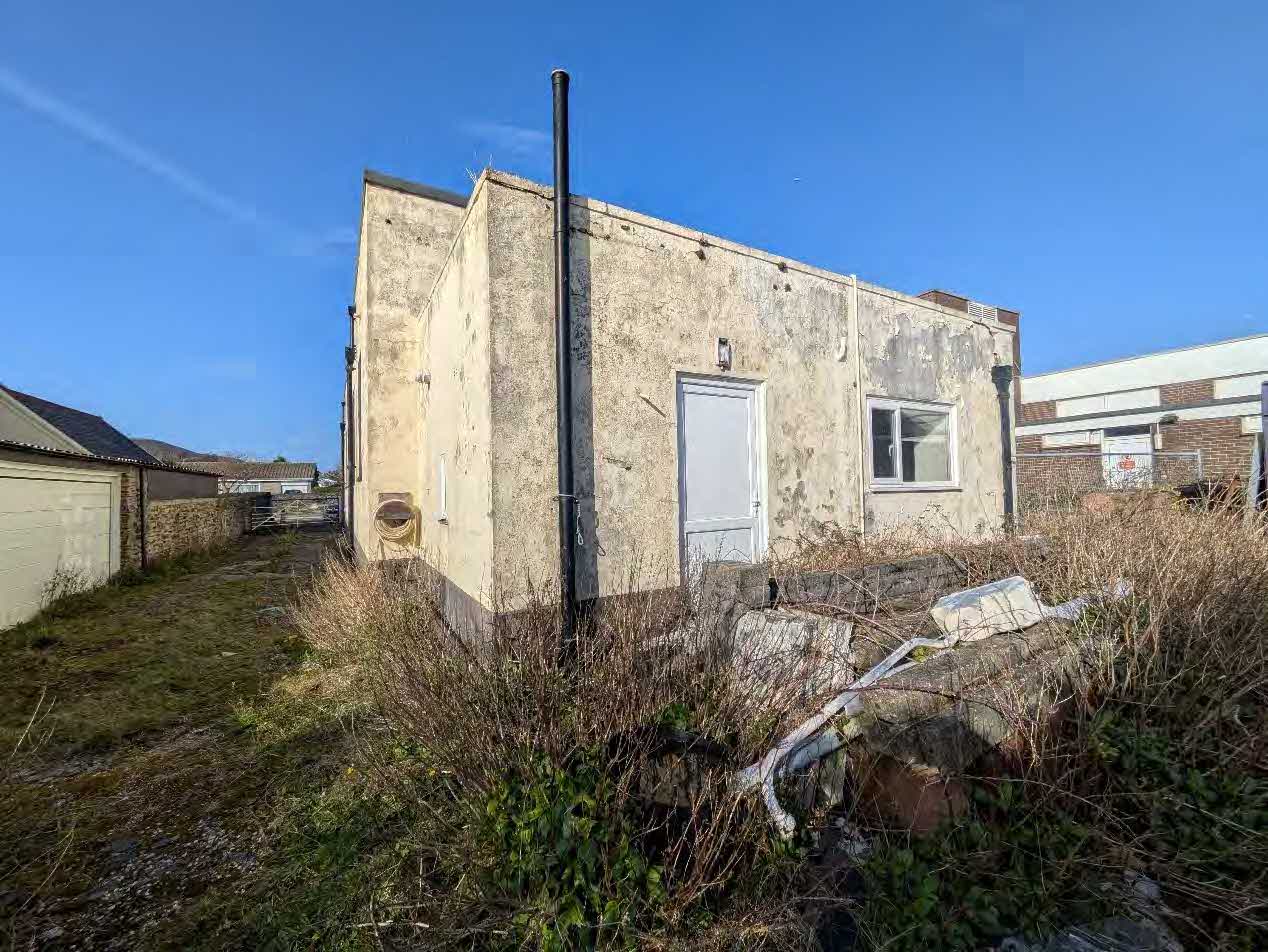
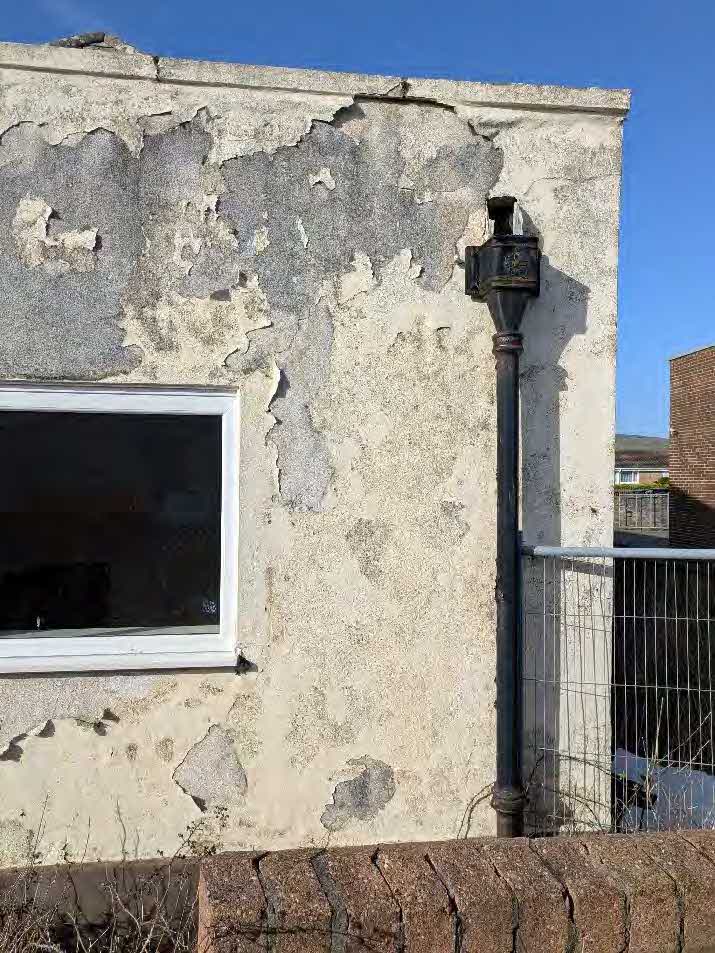
Image Ex15 – exterior, rear compartment south elevation
Image Ex16 – exterior, west boundary wall
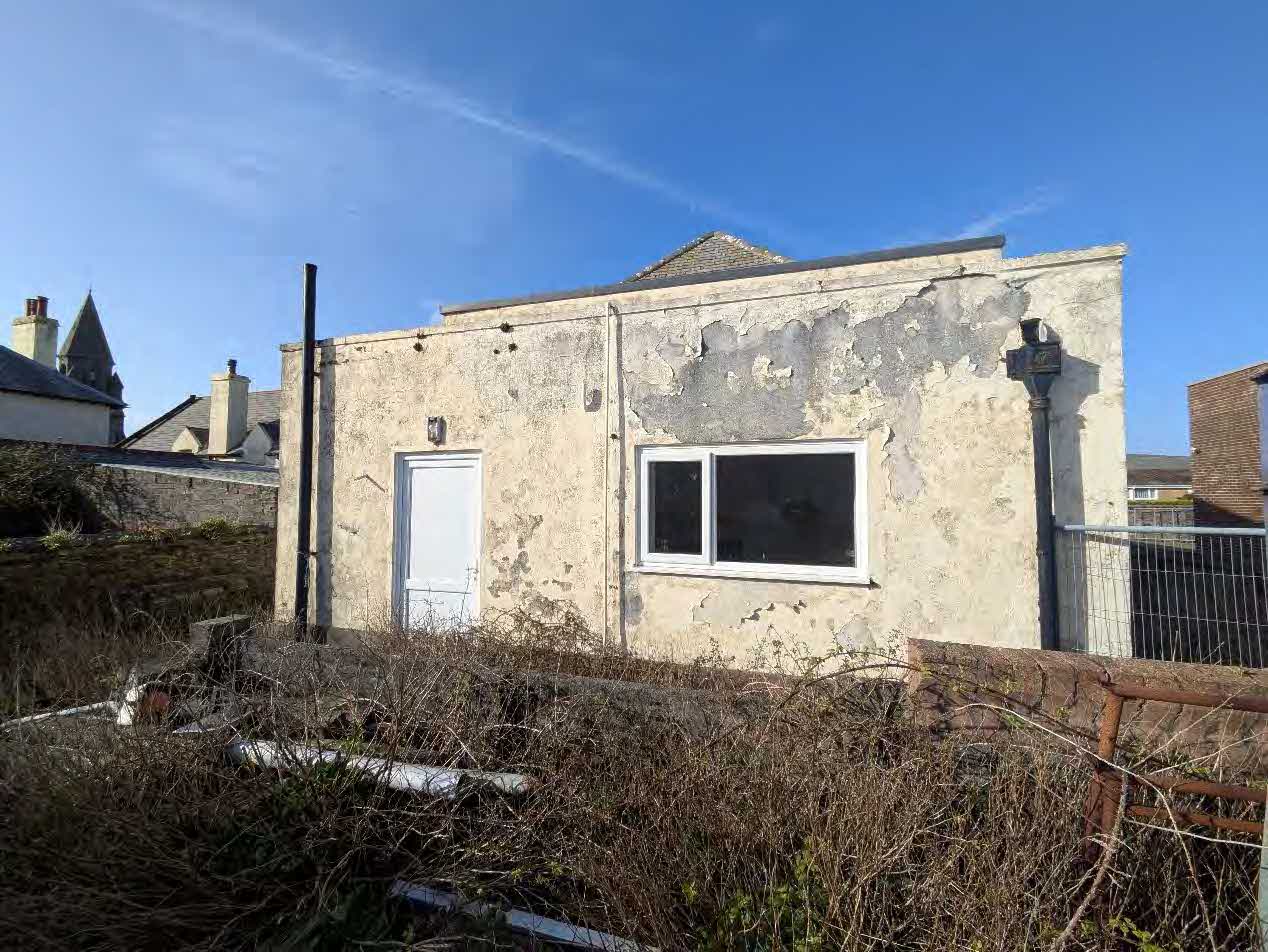
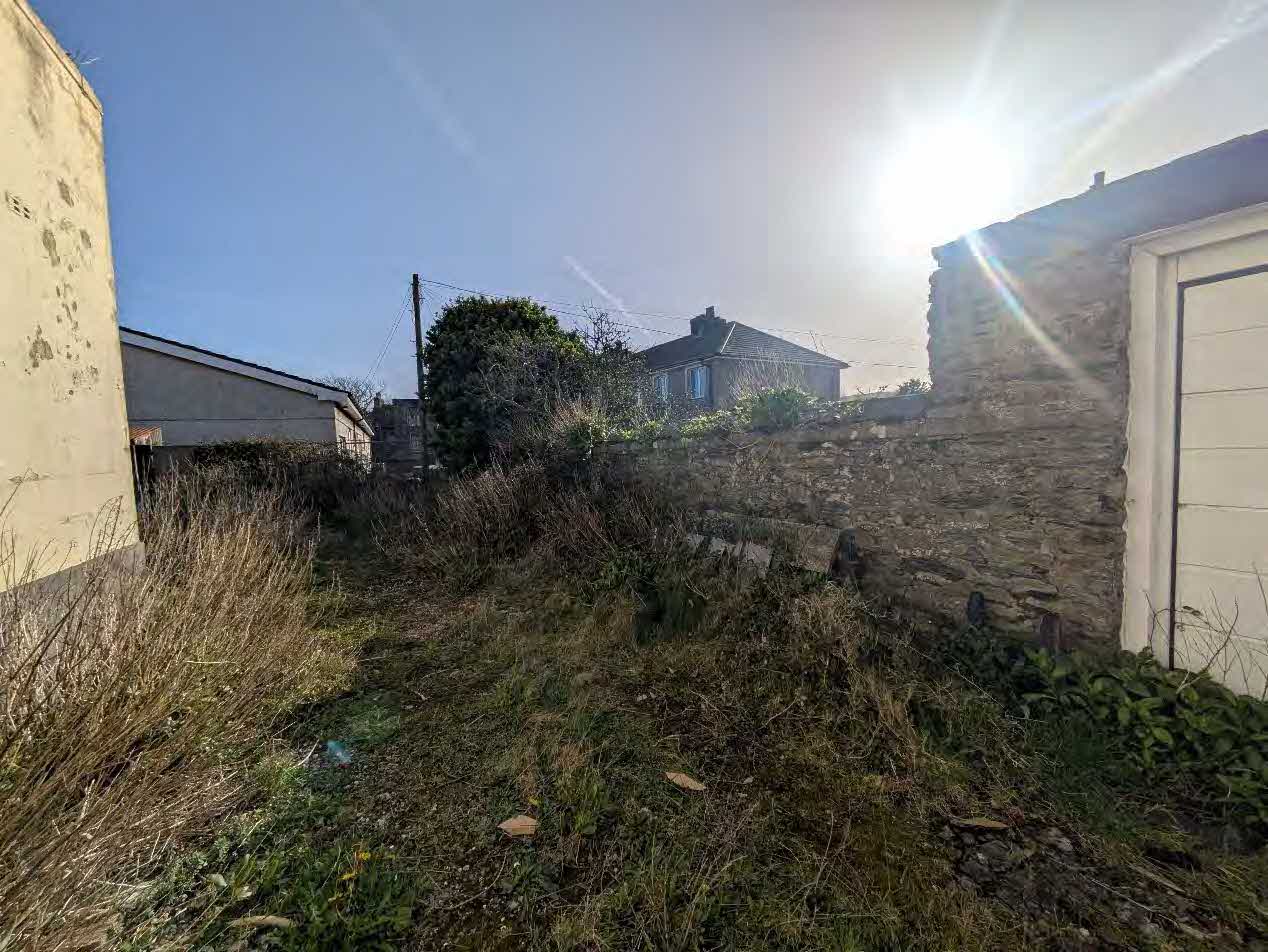
Image Ex17 – exterior, service yard and south boundary wall
Image Ex18 – exterior, west boundary wall
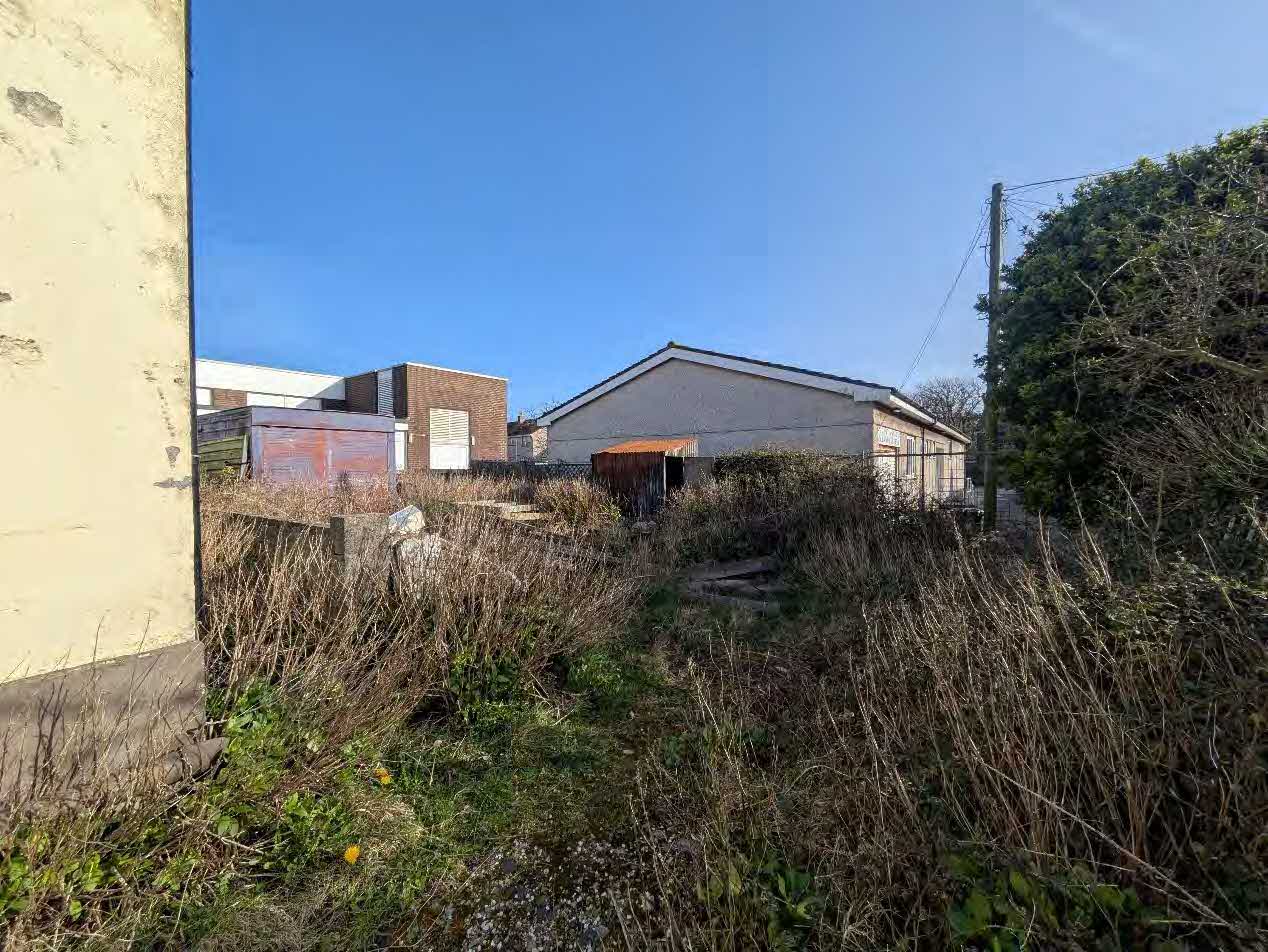
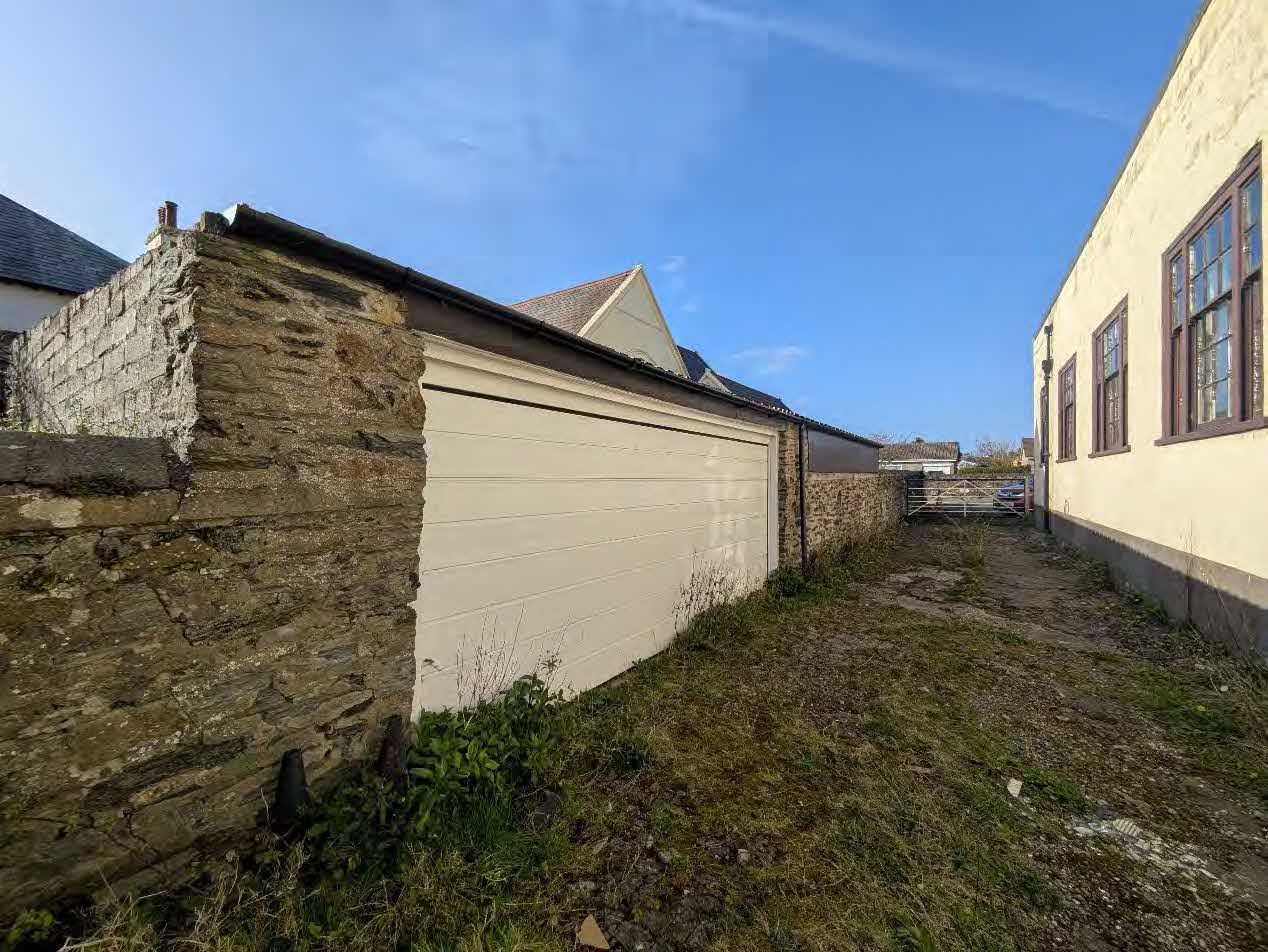
Image Ex19 – exterior, exposed concrete lintel above window
Left: Image Ex20 – exterior, entranceway with downpipe and brick air vent detail Right: Image Ex21 – exterior, entranceway in relation to the window
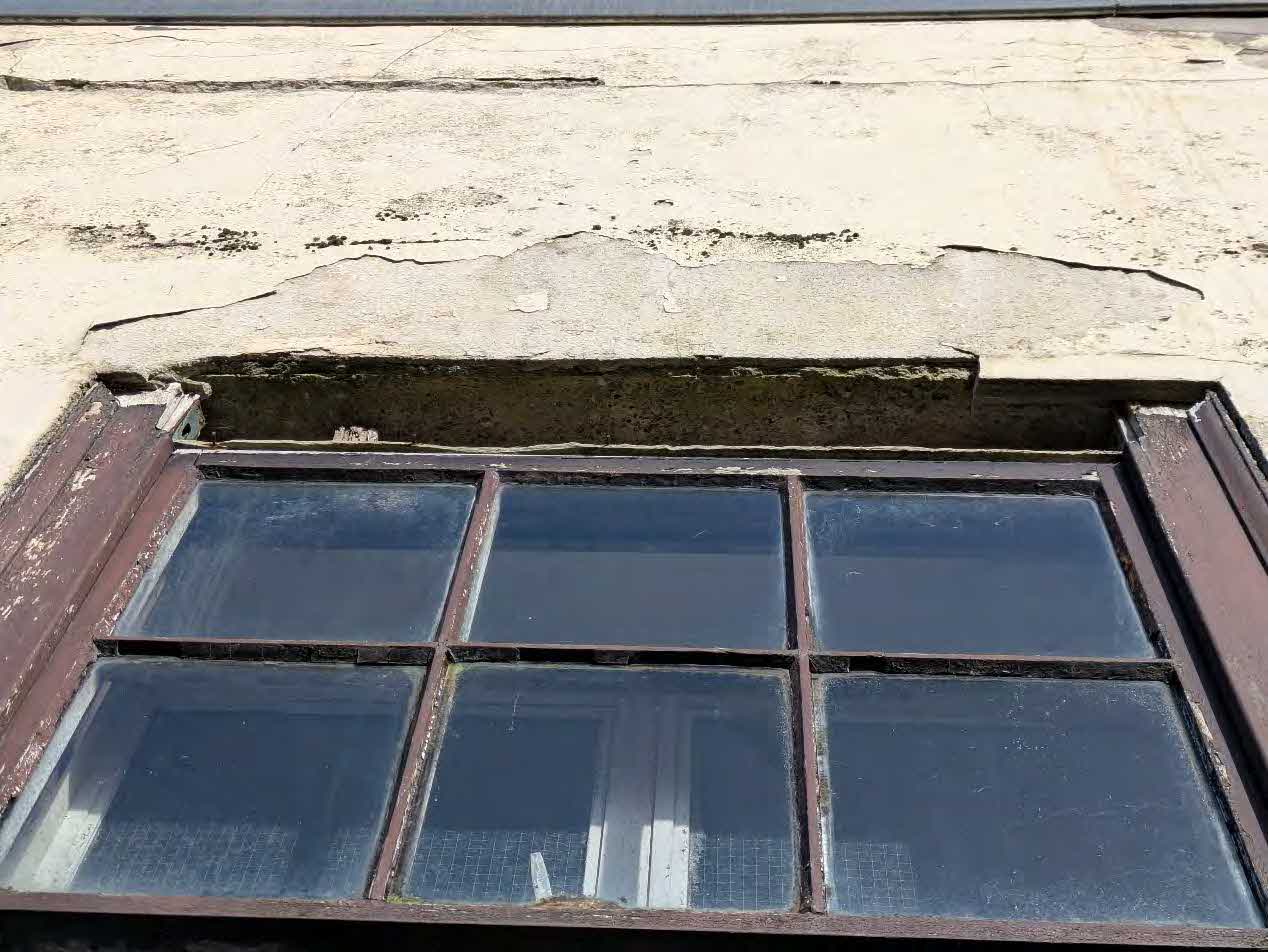
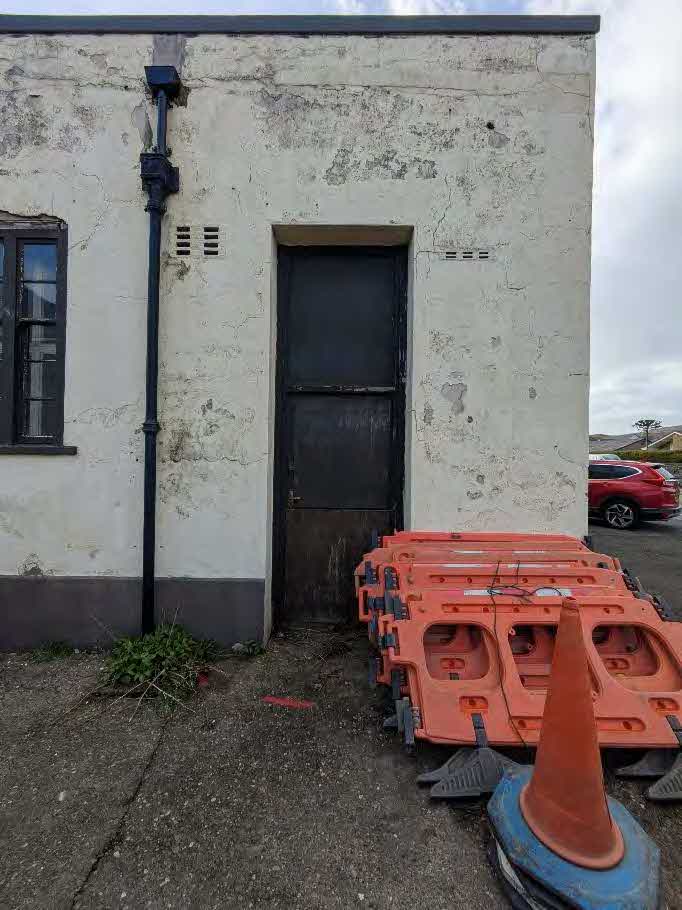
Copyright in submitted documents remains with their authors. Request removal
View as Markdown